MarketsEconomic TimesJul 3, 2026· 1 min read
Indian Equities Rise on Geopolitical De-escalation, Favorable Rate Outlook
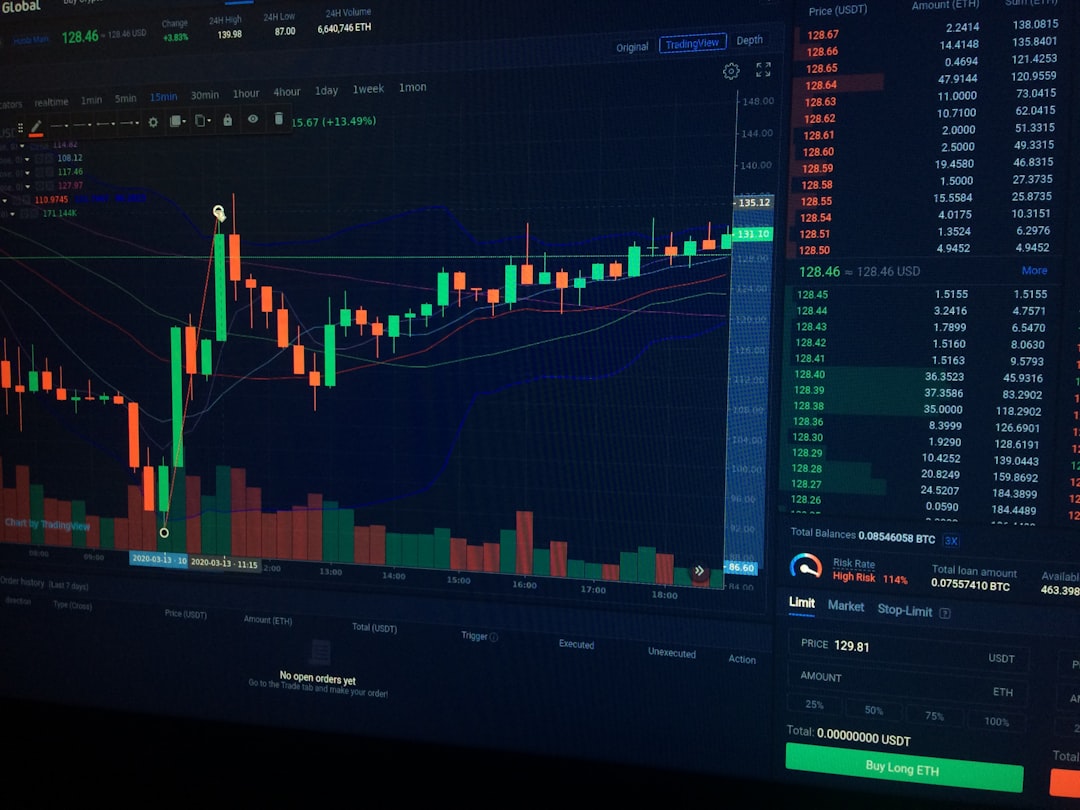
Indian equity markets saw over 0.3% gains on Friday, with Sensex and Nifty rising due to easing Middle East tensions, reduced US Fed rate hike expectations, and a strengthening rupee. IT stocks led the rally, supported by positive global cues and tapering FII outflows.
Indian benchmark equity indices, the Sensex and Nifty, recorded gains exceeding 0.3% on Friday, closing at 262 points higher and above 24,270 respectively. This market upswing was primarily driven by a confluence of macroeconomic and geopolitical factors.
Globally, an easing of Middle East tensions contributed to improved investor sentiment, reducing perceived risk in international markets. Domestically, expectations of fewer interest rate hikes by the US Federal Reserve provided a significant tailwind. A less hawkish Fed generally translates to lower borrowing costs globally and increased appetite for emerging market assets, including Indian equities.
The rupee's strengthening against major currencies further supported the rally, as it enhances the returns for foreign institutional investors (FIIs) and reduces import costs, potentially alleviating inflationary pressures. This positive currency movement, combined with tapering FII outflows, signaled a renewed confidence in the Indian market.
Sectorally, information technology (IT) stocks were the primary beneficiaries of this upward momentum, reflecting their sensitivity to global growth prospects and currency movements. In contrast, broader market indices, while positive, demonstrated a more subdued performance compared to the leading sectors. The overall sentiment was bolstered by positive global cues, indicating a synchronized upward trend across international markets.
Analyst's Take
While today's rally is attributed to global cues and Fed expectations, the outperformance of IT stocks suggests investors are front-running a potential recovery in developed market tech spending and anticipating a weaker dollar in the medium term. The reduction in FII outflows, rather than significant inflows, indicates a stabilization, but a sustained shift requires more compelling domestic growth catalysts beyond just favorable global conditions.


