EnergyOilPrice.comMay 19, 2026· 1 min read
India's Grid Lag Stifles Clean Energy Growth Amidst Curtailments
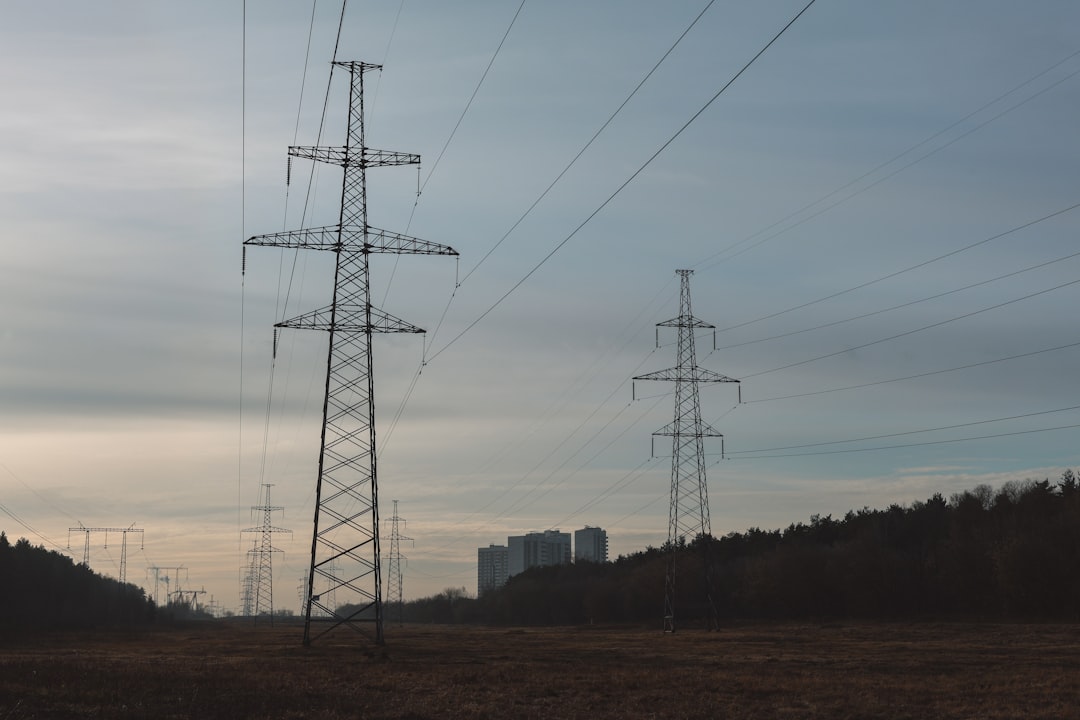
India experienced 300 GWh of clean energy curtailment in Q1, primarily due to grid and transmission constraints, threatening to slow the nation's renewable energy boom. This growing mismatch between rapid solar and wind installations and slower grid expansion creates economic inefficiencies and jeopardizes India's energy transition goals.
India's rapid expansion of renewable energy capacity is increasingly hampered by an insufficient and slow-to-evolve electricity grid. In the first quarter of the year, grid and transmission constraints were responsible for nearly two-thirds of all clean energy curtailments, amounting to 300 gigawatt-hours (GWh). This substantial curtailment, as highlighted by clean energy think tank Ember, represents a significant economic inefficiency, as generated clean power goes unused.
The disconnect between the pace of solar and wind project development and grid infrastructure expansion poses a tangible threat to India's ambitious renewable energy targets. While the nation continues to be a global leader in new clean energy installations, the inability to effectively integrate and distribute this power diminishes the economic benefits of these investments. Curtailments not only result in lost revenue for renewable energy producers but also increase the levelized cost of electricity (LCOE) from these sources, potentially making them less competitive despite their decreasing capital costs.
This trend could decelerate future investment in India's renewable sector if developers perceive greater risks of stranded assets or diminished returns due to grid bottlenecks. The economic implications extend to India's broader energy security and climate goals, as underutilized renewable capacity necessitates continued reliance on conventional, often carbon-intensive, power sources to meet demand. Addressing these grid limitations through accelerated transmission infrastructure development and smart grid technologies will be crucial for India to fully capitalize on its clean energy potential and sustain its economic growth trajectory while transitioning to a lower-carbon economy.
Analyst's Take
The escalating curtailment in India, while a localized issue, offers a leading indicator for other rapidly industrializing nations with ambitious renewable targets but underdeveloped grids. Markets may be underpricing the long-term capital expenditure required for grid modernization, potentially leading to future supply chain bottlenecks in electrical equipment and increasing project costs for new clean energy capacity globally as more countries confront similar integration challenges.