MarketsMarketWatchJul 28, 2026· 1 min read
Bloom Energy Breaks Billion-Dollar Mark Amid Surging AI-Driven Demand
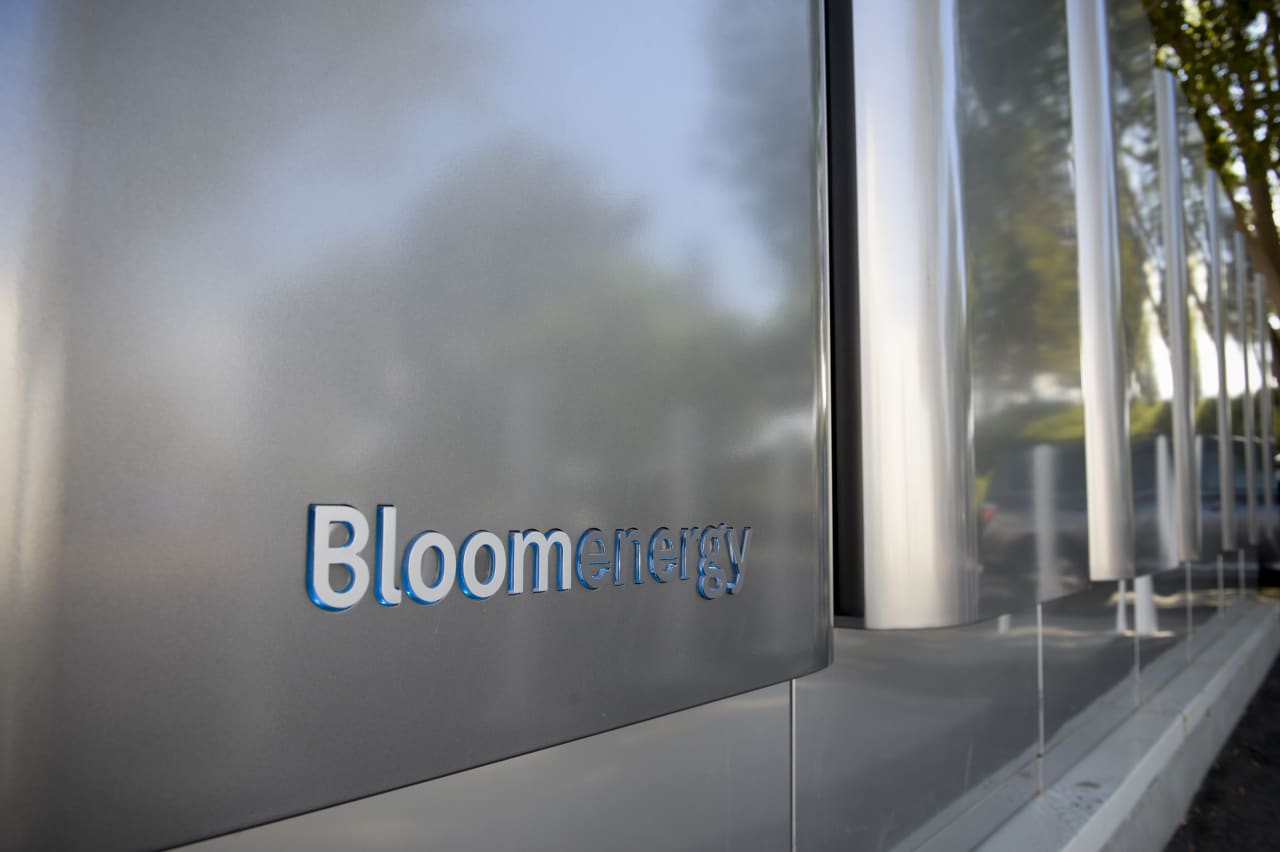
Bloom Energy surpassed $1 billion in annual sales, largely fueled by rising demand from the AI sector for its fuel-cell technology. The company also raised its 2026 revenue guidance for the second time, reflecting strong confidence in the AI-driven power market.
Bloom Energy, a prominent fuel-cell manufacturer, announced achieving over $1 billion in annual sales, signaling a significant milestone driven by increasing demand from the artificial intelligence (AI) sector. The company's innovative energy solutions, particularly its hydrogen-powered fuel cells, are gaining traction as AI data centers require substantial and reliable power infrastructure. This surge in demand has prompted Bloom Energy to revise its 2026 guidance upwards for the second consecutive time, indicating strong confidence in sustained growth.
The expanded guidance reflects anticipated revenue of $1.8 billion to $2.0 billion by 2026, up from previous projections. The company attributes this optimism to the energy-intensive nature of AI operations, which necessitate efficient and scalable power generation. Traditional grid infrastructure often struggles to meet the concentrated power needs of large-scale data centers, making on-site fuel-cell solutions increasingly attractive.
Bloom Energy's technology offers a decentralized power source that can reduce reliance on strained grids and potentially lower carbon footprints, depending on the hydrogen sourcing. This positions the company favorably within the broader energy transition, as corporations seek both robust power supply and sustainability credentials. The increased guidance suggests a positive outlook for the wider fuel-cell industry, particularly those catering to high-power-density applications.
Economically, this development highlights the growing investment in AI infrastructure and its ripple effects across various industrial sectors. The demand for specialized power solutions like those offered by Bloom Energy underscores the evolving energy landscape and the critical role of innovation in supporting technological advancements. The company's performance provides a tangible indicator of how AI's expansion translates into tangible capital expenditures and market opportunities for ancillary industries.
Analyst's Take
The sustained upward revision of Bloom Energy's 2026 guidance isn't just about AI's power needs; it suggests a potential inflection point for green hydrogen infrastructure development. While current deployments might rely on natural gas, the long-term economics of these data centers will increasingly favor on-site, low-carbon hydrogen production, signaling future CAPEX cycles for electrolyzer manufacturers and hydrogen logistics firms that the market isn't fully pricing in yet.


