EnergyOilPrice.comJul 21, 2026· 1 min read
Fossil Fuels Maintain Dominance in Global Electricity Generation
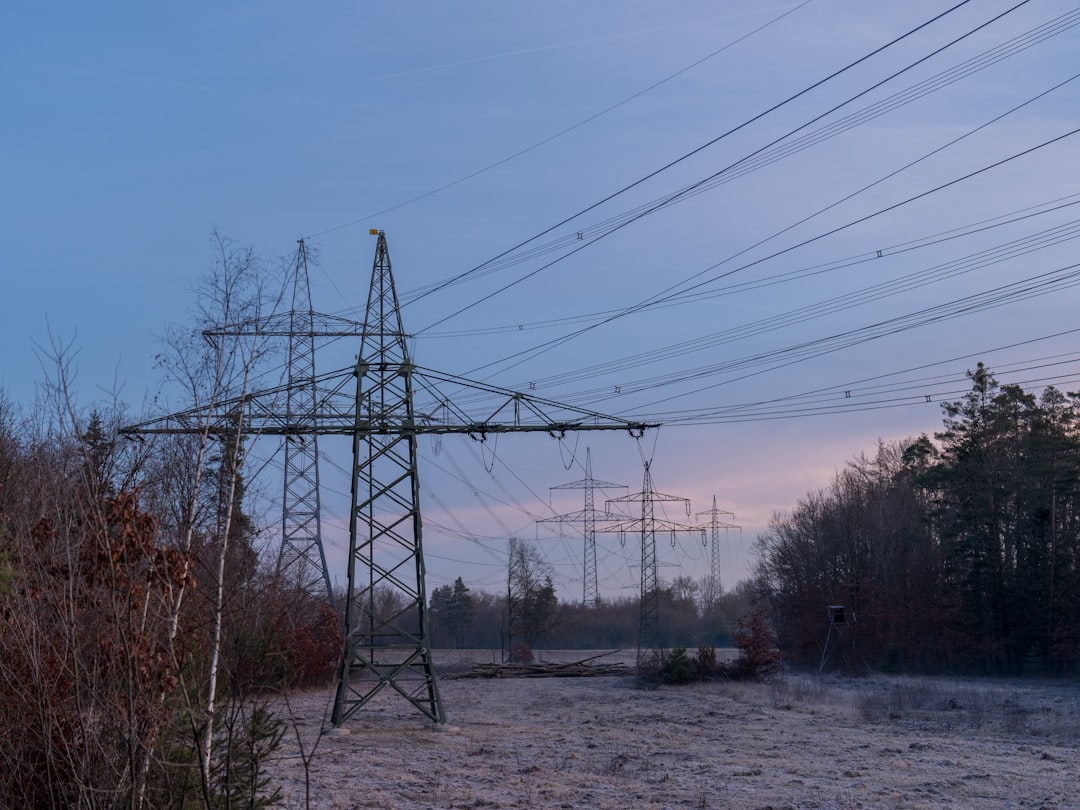
Fossil fuels still generate 57% of the world's electricity, with coal and natural gas leading the mix. Despite growth in alternative energy, hydrocarbons remain the dominant power source, highlighting the ongoing challenge of the global energy transition.
Recent analyses confirm that fossil fuels remain the primary source of global electricity, accounting for 57% of total generation. This data, corroborated by Pew Research Center's analysis of Ember data and the Energy Institute's Statistical Review of World Energy, underscores the persistent reliance on coal, natural gas, and oil for power production despite the expansion of alternative energy sources.
While investments and capacity additions in renewable energy have been significant, their contribution has not yet fundamentally altered the global energy mix. Coal continues to be the single largest source, followed closely by natural gas. Oil's share in electricity generation, while smaller than coal or gas, remains material in certain regions and for specific applications.
The findings highlight the significant gap between current energy production realities and net-zero targets. The sustained dominance of hydrocarbons in electricity generation indicates that the energy transition, while underway, faces substantial structural inertia. This has economic implications for investment in power infrastructure, commodity markets, and the fiscal policies of nations heavily reliant on fossil fuel exports or imports.
Industrial demand, particularly in developing economies, continues to drive consumption of traditional energy sources. Furthermore, the intermittency of many renewable energy technologies necessitates a consistent baseline power supply, often provided by gas-fired plants. The current energy landscape suggests that achieving a rapid and complete decarbonization of the electricity sector will require accelerated technological advancements, massive infrastructure investment, and potentially significant shifts in global energy policy and pricing mechanisms.
Analyst's Take
The continued high reliance on fossil fuels for electricity signals sustained demand pressure for these commodities, potentially impacting long-term price stability. This structural inertia could lead to a widening divergence in investment returns between 'green' and 'brown' energy infrastructure, as the latter may offer higher, more reliable cash flows in the near-to-medium term due to persistent demand and potentially underpriced transition risk.