EnergyOilPrice.comJul 2, 2026· 1 min read
Europe's Energy Transition Falters Amid Heatwave, Investment Concerns Mount
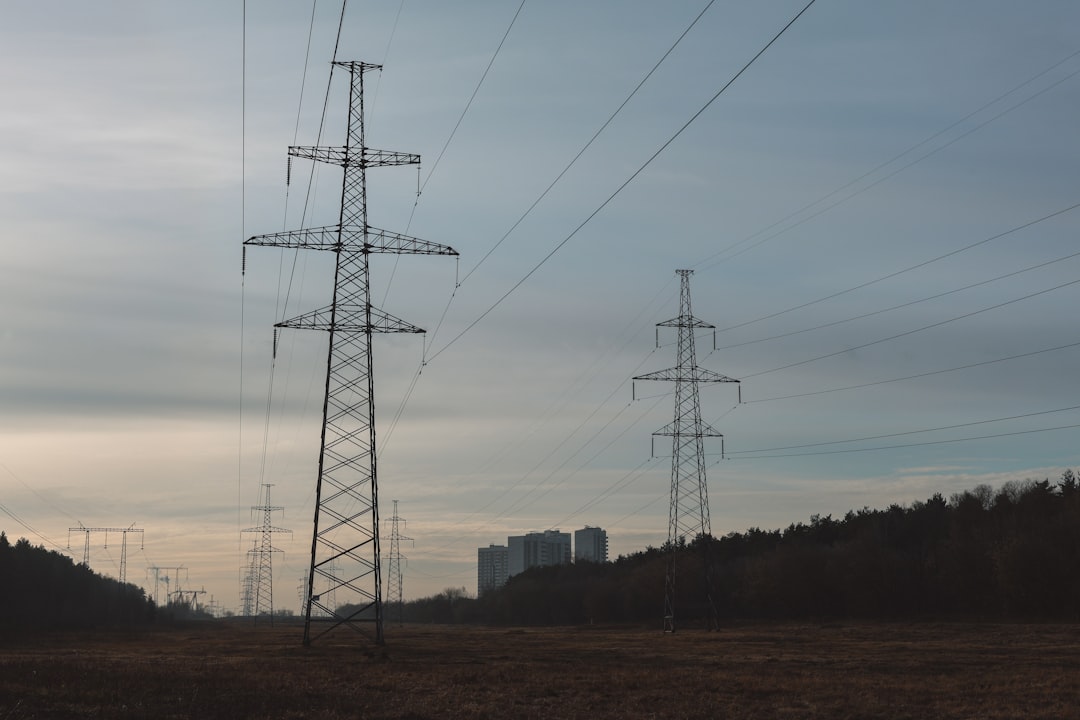
Europe's clean energy transition is faltering, with a recent heatwave highlighting the urgency of climate action and exposing investment concerns. Bankers suggest regulatory uncertainty is deterring essential capital flows, risking a slower decarbonization path.
Europe's ambitious clean energy transition is facing significant headwinds, exacerbated by a recent intense heatwave that coincided with London Climate Action Week. The extreme weather underscored growing concerns among policymakers and financiers regarding the continent's progress in mitigating greenhouse gas emissions and accelerating renewable energy adoption. Bankers attending the London summit voiced apprehension that European authorities risk deterring crucial investments in the region's energy sector.
Key issues contributing to this slowdown include a perceived lack of clear, consistent policy signals and regulatory certainty. Investors require predictable frameworks to commit substantial capital to long-term renewable projects, and current conditions are seen as creating an environment of hesitancy. This uncertainty is particularly problematic given the scale of investment required to decarbonize the continent's energy grid and meet its climate targets.
The economic implications of a stalled transition are multifaceted. Firstly, it could leave Europe more vulnerable to volatile fossil fuel prices and geopolitical supply disruptions, impacting industrial competitiveness and consumer energy costs. Secondly, the continent risks falling behind other global regions that are more aggressively pursuing green industrial policies, potentially losing out on job creation and technological leadership in the burgeoning clean energy sector. Finally, a delay in reducing emissions escalates the long-term economic costs associated with climate change, including infrastructure damage and productivity losses from extreme weather events. The current trajectory suggests a potential shortfall in achieving stated climate objectives, necessitating a renewed focus on incentivizing private capital and streamlining project development.
Analyst's Take
The market may be overlooking the creeping financial contagion risk this stalled transition poses to traditional utility companies and national budgets, as they confront increased grid instability and the escalating costs of climate adaptation without the anticipated offset from new green infrastructure. This also signals potential headwinds for green bond markets, as policy uncertainty could reduce the pipeline of investable projects, impacting sovereign and corporate issuance.