MarketsMarketWatchMay 18, 2026· 1 min read
Arm Poised for Significant Growth in Server CPU Market, Analyst Predicts
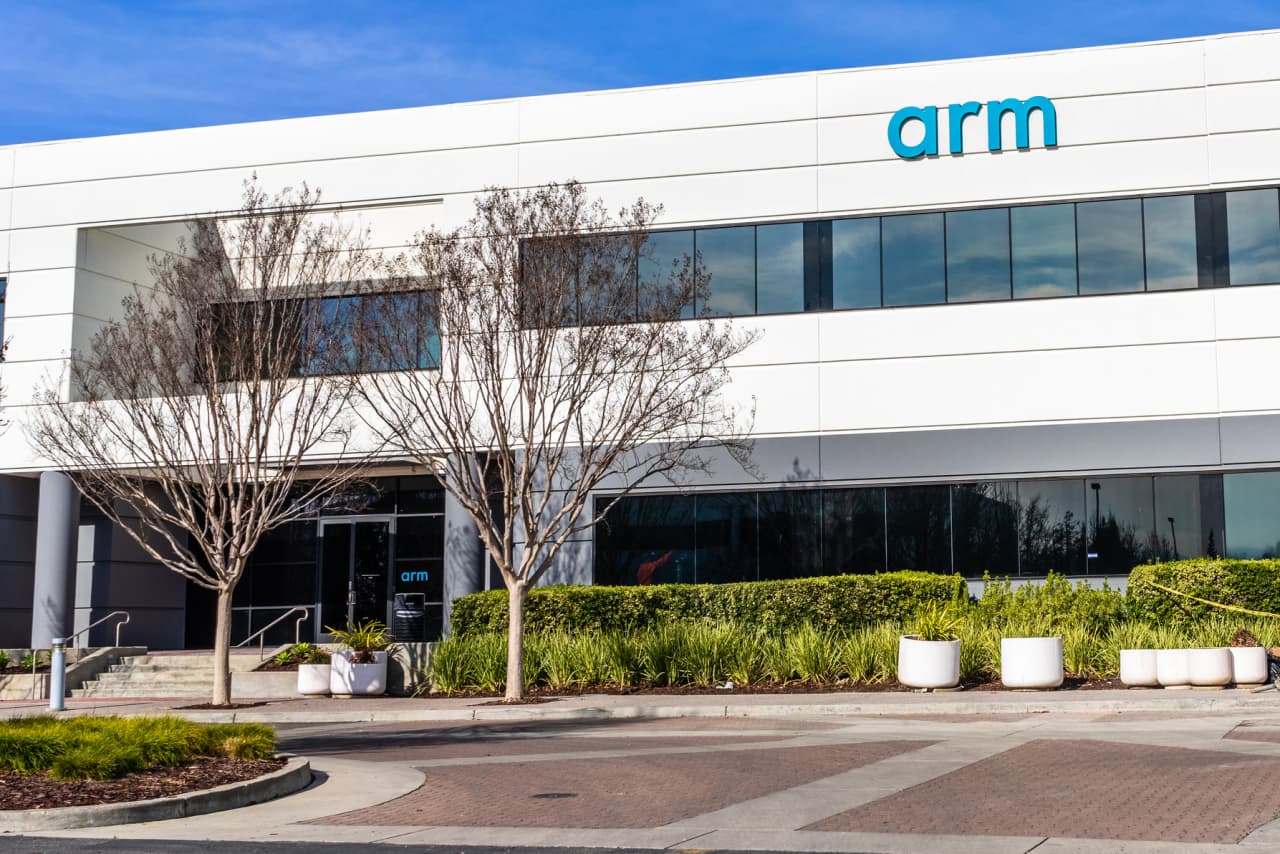
Bernstein analysts predict Arm's stock could climb another 45% as the company takes a leading role in the burgeoning server CPU market. This sector is expected to quadruple to $137 billion by 2030, driven by the 'renaissance of CPUs'.
Arm Holdings is projected to see substantial stock appreciation, potentially rising by an additional 45%, driven by its increasing penetration into the server CPU market. Bernstein analysts highlight a 'renaissance of CPUs' where Arm is expected to play a pivotal role. The server CPU market, currently experiencing rapid expansion, is forecasted to quadruple in value to an estimated $137 billion by 2030.
This growth trajectory for Arm is anchored in its licensing model, which has historically allowed its architecture to permeate various computing devices from mobile phones to embedded systems. The transition into data centers and cloud infrastructure, traditionally dominated by x86 architecture, represents a significant new revenue stream. Arm's energy-efficient designs are particularly appealing to cloud providers looking to optimize operational costs and reduce environmental impact.
While specific financial details on Arm's current server market share or direct revenue contributions were not disclosed, the analyst's projection underscores a shift in the competitive landscape. Increased adoption of Arm-based processors in servers could redefine industry standards for performance and power consumption. The implications extend beyond Arm itself, potentially influencing chip manufacturers, data center operators, and enterprise IT spending as they evaluate future infrastructure investments. This outlook positions Arm as a key beneficiary of the ongoing digital transformation and the escalating demand for computing power.
Analyst's Take
While the headline focuses on Arm's stock upside, the underlying shift towards Arm in server CPUs signals a deeper industry architectural pivot that could pressure Intel and AMD's market dominance, potentially leading to increased R&D spend and pricing competition in the x86 ecosystem. This trend, if sustained, will likely see a significant re-evaluation of data center hardware procurement strategies over the next 12-24 months, with implications for semiconductor CAPEX cycles.


