MacroBBC BusinessApr 22, 2026· 1 min read
UK Inflation Ticks Up as Geopolitical Tensions Fuel Price Pressures
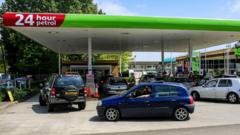
UK inflation has risen, with official figures attributing the increase to higher fuel prices stemming from the Iran war, marking the first formal assessment of this geopolitical impact. This development highlights the complex challenge for policymakers navigating inflation driven by external supply shocks and its potential to impact household purchasing power and business costs.
The United Kingdom's inflation rate has registered an increase, with official figures pointing to the escalating conflict in the Middle East as a primary driver. Specifically, the impact of the Iran war is cited for pushing up fuel prices, which in turn contributed to the overall rise in the cost of living for UK households. These new statistics represent the initial official assessment of how recent geopolitical tensions are translating into domestic economic pressures.
Rising fuel prices carry significant economic implications. For consumers, this directly translates to higher costs at the pump, eroding disposable income. Beyond direct fuel purchases, businesses across various sectors, from logistics and manufacturing to retail, face increased operational costs due to higher transportation expenses. These elevated input costs are often passed on to consumers, contributing to broader inflationary pressures across a basket of goods and services.
This development presents a complex challenge for economic policymakers, particularly the Bank of England. While central banks typically respond to demand-side inflation with interest rate adjustments, inflation driven by external supply shocks, such as global energy price spikes, requires a nuanced approach. Aggressive monetary tightening in response to supply-side inflation risks stifling economic growth without directly addressing the root cause of price increases.
The latest data underscores the vulnerability of the UK economy to international events, particularly those affecting global energy markets. As the first official confirmation of the Iran war's impact, these figures will be closely monitored for subsequent trends and their potential to embed higher inflation expectations into the economy, influencing wage demands and future pricing strategies. The ongoing situation highlights the delicate balance policymakers must strike between managing inflation and supporting economic stability amidst global uncertainties.

