MarketsMarketWatchJul 16, 2026· 1 min read
Mortgage Rates Hit One-Year High, Squeeze Housing Market Further
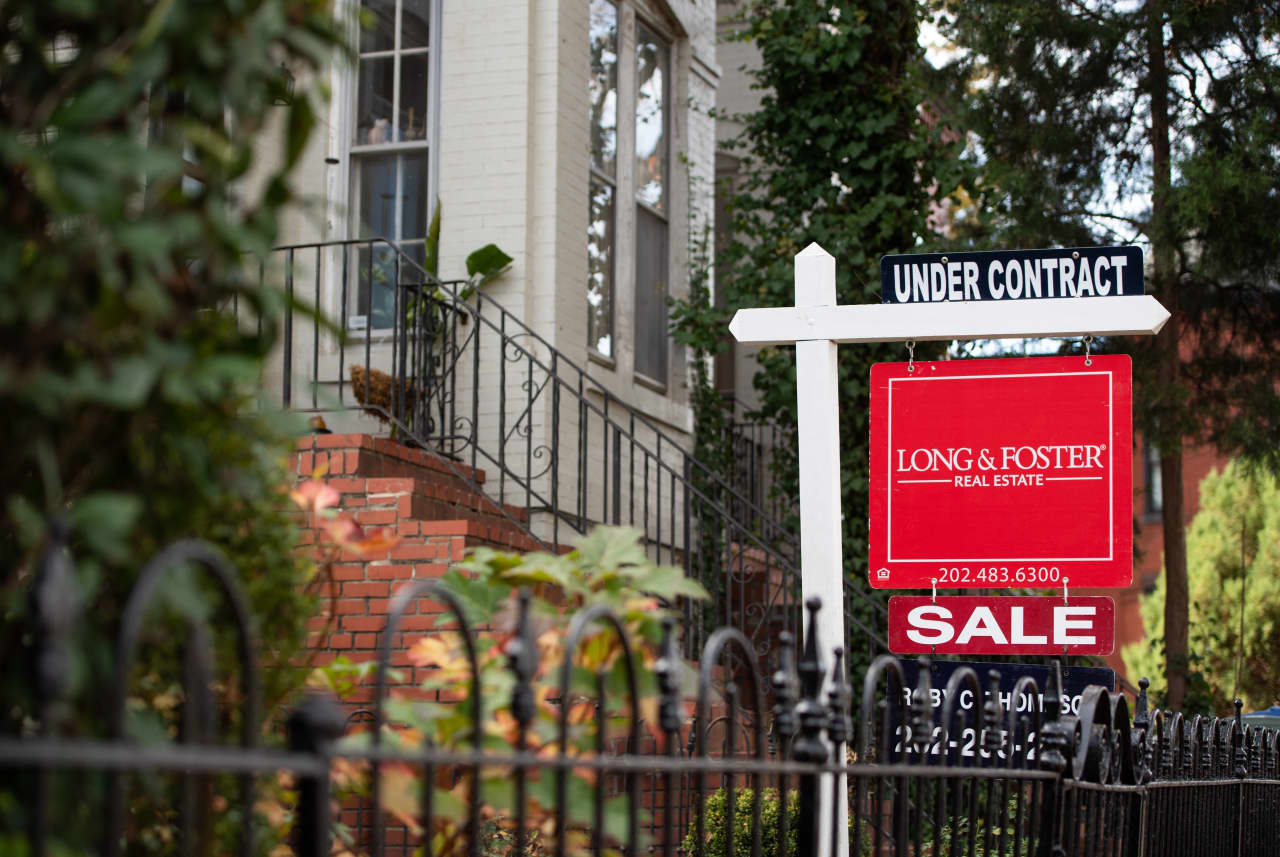
U.S. mortgage rates have climbed to their highest level in a year, reaching 7.22% for a 30-year fixed-rate mortgage. This increase, driven by bond market volatility and persistent Fed hawkishness, is set to further constrain housing market activity and affordability.
U.S. mortgage rates have reached their highest point in a year, marking a significant development for the housing sector and prospective homebuyers. The average rate on a 30-year fixed-rate mortgage increased to 7.22% as of the latest reporting period, up from 7.09% the previous week. This ascent marks the highest level since November 2023.
The uptick in rates directly reflects ongoing volatility in the bond markets, particularly the yield on the 10-year Treasury note, which serves as a benchmark for mortgage pricing. Recent economic data, including stronger-than-expected inflation reports and robust employment figures, has tempered expectations for imminent interest rate cuts by the Federal Reserve. This sustained hawkish outlook from the Fed, combined with a resilient economy, continues to exert upward pressure on long-term Treasury yields.
The immediate economic implication is a further cooling of the housing market. Higher borrowing costs reduce affordability, particularly for first-time buyers and those in competitive markets. This trend is likely to exacerbate the slowdown in existing home sales, as both demand weakens and potential sellers, many locked into lower rates, remain reluctant to list their properties. New home construction may also face headwinds as builder sentiment could soften in response to diminished buyer interest.
While the national median home price has shown some resilience, sustained high mortgage rates are expected to gradually erode this stability, potentially leading to price adjustments in some regions. The refinancing market is also anticipated to remain subdued, offering little relief to homeowners seeking to lower their monthly payments.
Analyst's Take
The sustained upward pressure on mortgage rates, while a direct response to bond market movements, implicitly signals a re-evaluation of the Fed's 'higher for longer' stance by market participants. This could lead to a widening divergence between short-term policy rate expectations and long-term borrowing costs, potentially squeezing regional banks with significant mortgage-backed securities holdings, even as equity markets remain somewhat complacent.


