MarketsMarketWatchJun 25, 2026· 1 min read
Strait of Hormuz Tensions Fuel Oil Price Spike, Global Economic Concerns
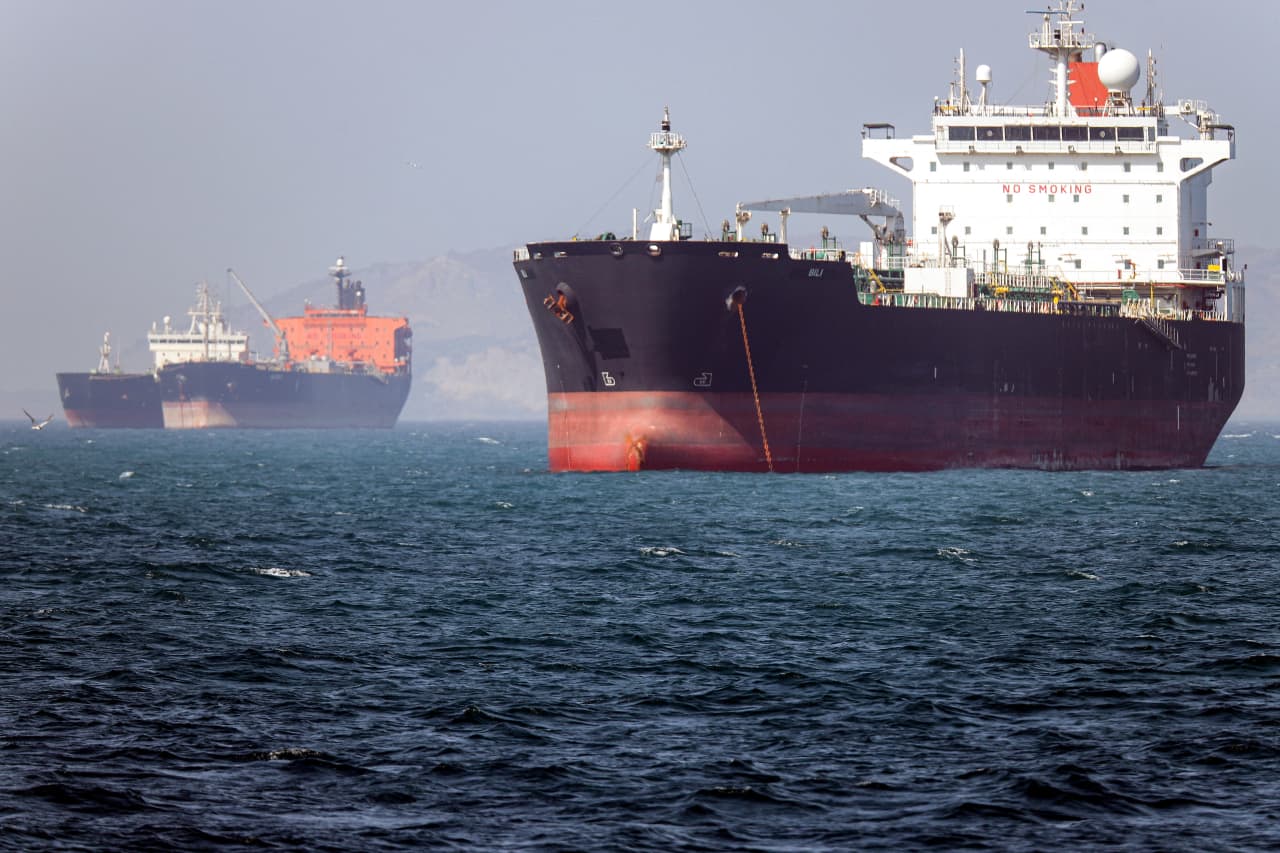
Iran's recent assertion of control over the Strait of Hormuz has led to a significant increase in oil prices, reflecting heightened concerns about potential supply disruptions. This development poses risks of increased inflationary pressure and higher operational costs for global industries.
Recent actions by Iran suggesting a tighter grip on the Strait of Hormuz have triggered a notable increase in global oil prices. The strategic waterway, crucial for approximately one-fifth of the world's daily oil consumption, has long been a focal point of geopolitical sensitivity due to its vital role in global energy supply chains. Any perceived escalation in Iran's control over the strait immediately translates into heightened risk premiums on crude oil futures, reflecting concerns about potential supply disruptions.
The immediate economic implication of this development is an upward pressure on energy costs for consumers and businesses globally. Higher oil prices can exacerbate inflationary pressures, impacting central bank monetary policy decisions, particularly in economies already grappling with persistent inflation. Furthermore, increased energy input costs can compress profit margins for industries reliant on oil, such as transportation, manufacturing, and petrochemicals, potentially dampening corporate earnings and overall economic growth.
While the current oil price rally is a direct response to the perceived increase in geopolitical risk, the sustained impact will depend on the duration and intensity of these tensions. Traders are closely monitoring the situation for any signs of de-escalation or further escalation, as either scenario would significantly influence market sentiment and price trajectories. The incident underscores the inherent volatility in energy markets and the susceptibility of global economic stability to geopolitical flashpoints in key resource transit regions.
Analyst's Take
The immediate oil price surge likely underprices the broader disinflationary impact of a stronger dollar, which typically emerges as a safe-haven asset during geopolitical uncertainty, counteracting some of the oil-driven inflation. Persistent tensions could also accelerate investment into alternative energy sources and drive further divergence between energy-importing and energy-exporting economies, with a lag of 6-12 months.


