MarketsMarketWatchAug 8, 2026· 1 min read
Nvidia-SpaceX Deal Raises Concerns for Smaller Cloud Providers
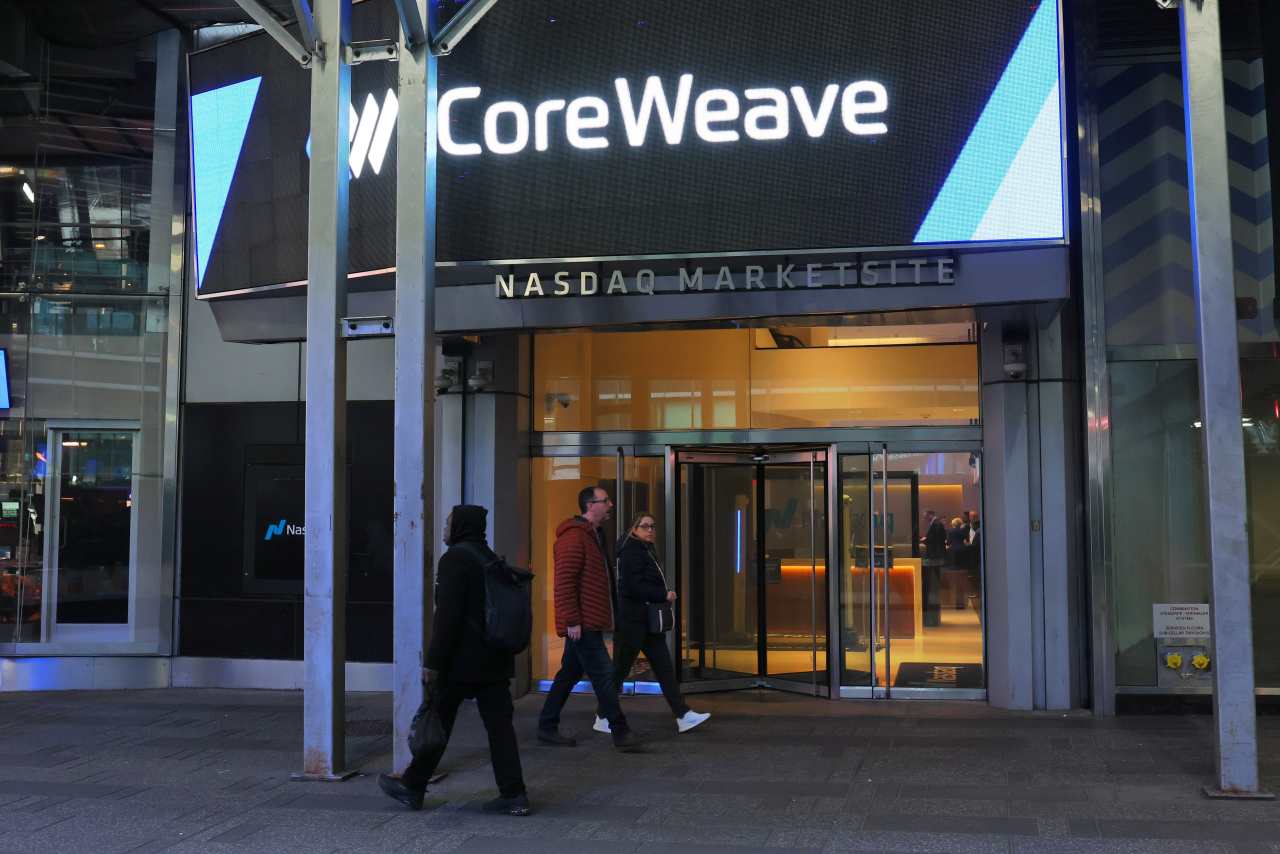
SpaceX's significant investment in Nvidia hardware could grant it preferential access to scarce AI chips, according to analysts. This development may disadvantage smaller specialized cloud providers, who rely on timely access to these chips to compete.
A recent deal between Nvidia and SpaceX, where SpaceX is reportedly investing significantly in Nvidia hardware for its Starlink data centers, is sparking concern among analysts regarding smaller cloud computing providers. Bernstein analysts suggest that SpaceX's substantial investment, rumored to be in the hundreds of millions of dollars, could grant it preferential access to Nvidia's highly sought-after chips.
Nvidia's advanced AI chips, particularly its H100 and soon-to-be-released B200 GPUs, are currently in high demand and limited supply. This scarcity has led to extended lead times for many companies seeking to build out their AI infrastructure. If SpaceX is indeed prioritized, it could exacerbate supply challenges for 'neocloud' companies such as CoreWeave and Nebius, which specialize in providing GPU-accelerated cloud services.
These smaller, specialized cloud providers often market themselves on rapid access to cutting-edge AI hardware, a competitive advantage that could be eroded if larger, well-capitalized entities like SpaceX gain exclusive or expedited access to supply. The economic implication is a potential shift in competitive dynamics within the AI cloud market, favoring companies with substantial upfront capital to secure critical hardware resources directly from manufacturers like Nvidia. This could increase barriers to entry and growth for smaller players reliant on the broader market for chip procurement, potentially consolidating market power among a few large entities.
Analyst's Take
While seemingly a tech-sector supply chain story, this deal signals a nascent phase of vertical integration among large players, where critical AI infrastructure is being secured directly to power their own services, bypassing traditional cloud providers. This trend will likely compress margins for generic cloud services and drive further consolidation in specialized AI compute offerings, impacting IPO valuations for smaller neoclouds in the next 12-18 months.


