MarketsMarketWatchApr 22, 2026· 1 min read
Spirit Airlines Seeks Government Lifeline: Economic Stakes for Taxpayers
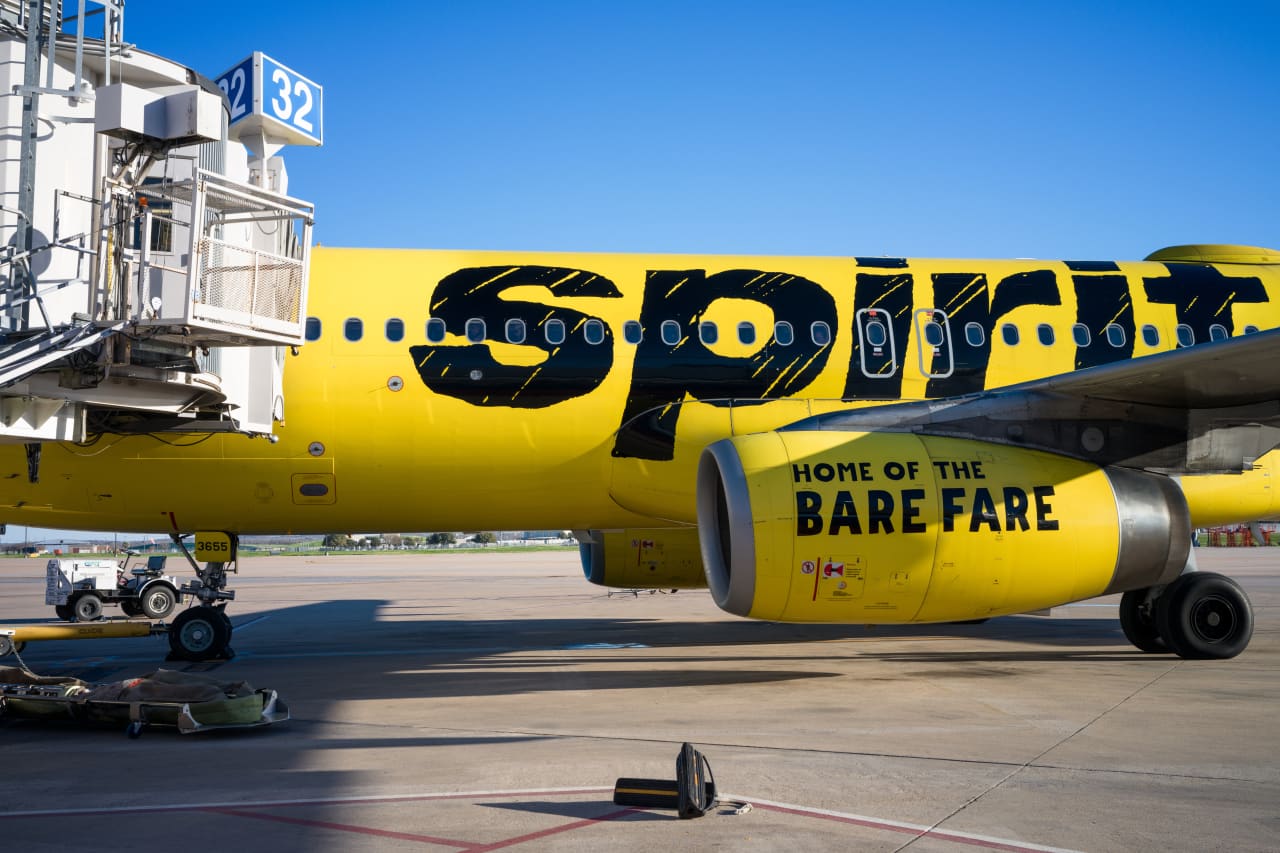
Ailing Spirit Airlines may receive a government bailout sooner than expected to aid its recovery from financial difficulties. The economic implications include the deployment of public funds to preserve jobs and competition, with taxpayer interests typically protected through conditional terms and potential returns.
Spirit Airlines, the ultra-low-cost carrier, has faced significant financial headwinds, with expectations of emerging from bankruptcy in the coming months. However, the trajectory for the airline’s recovery appears to be accelerating, with reports indicating a potential infusion of federal financial assistance. Market sources suggest the U.S. government is actively considering providing a helping hand, likely through a loan, to the beleaguered airline much sooner than previously anticipated.
This potential government intervention carries substantial economic ramifications for various stakeholders. For Spirit, it would offer crucial operational stability, securing an estimated 12,000 jobs directly and indirectly, and ensuring the continuity of a significant player in the competitive low-fare airline segment. Maintaining Spirit’s presence is often seen as vital for consumer choice, especially for budget-conscious travelers, and for fostering competitive pricing across the broader airline industry, preventing further consolidation that could lead to higher fares.
For U.S. taxpayers, the deployment of public funds necessitates careful scrutiny. The rationale for such government support typically centers on averting large-scale job losses and preserving competition within strategic sectors. Historically, aid packages to private entities come with specific conditions aimed at protecting taxpayer interests, such as equity warrants, preferred stock, or strict repayment terms. The ultimate return on investment for taxpayers would depend on the airline's future financial performance and the effectiveness of these protective clauses. While providing immediate stability, the long-term economic impact will hinge on Spirit's ability to transition to sustainable profitability, underscoring the delicate balance between market intervention and fiscal prudence.


