EnergyOilPrice.comJul 21, 2026· 1 min read
India Leads Global LNG Procurement Amidst Energy Transition Drive
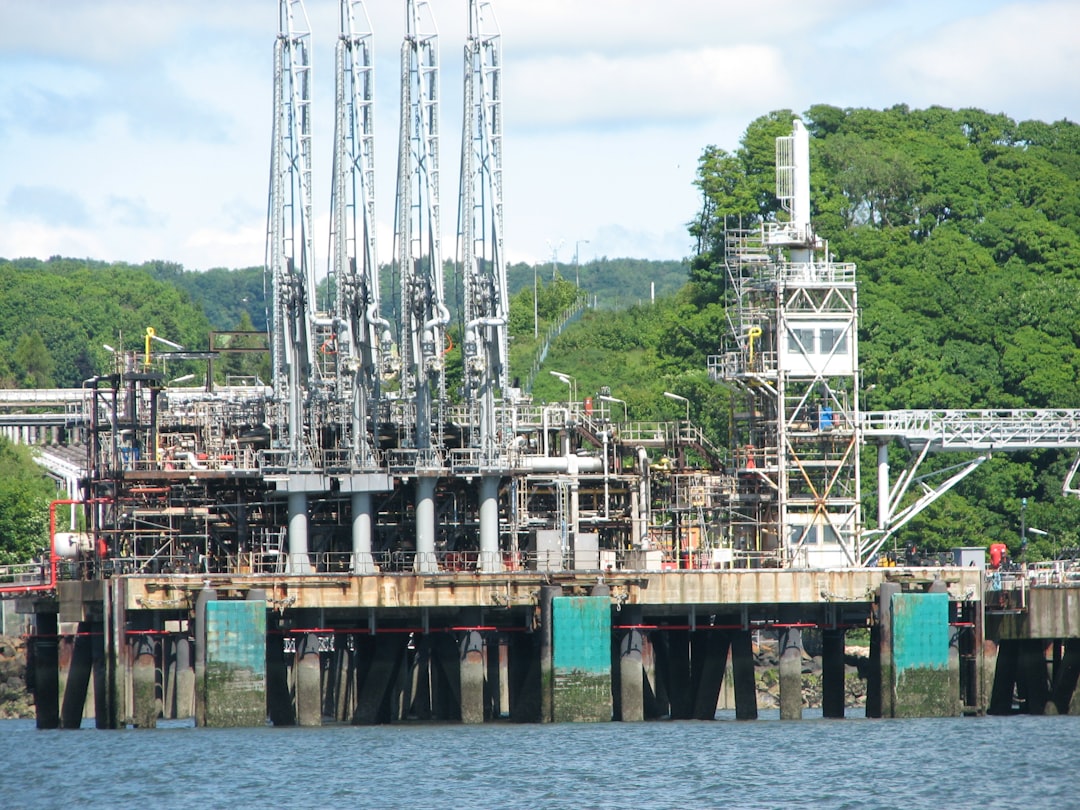
India emerged as the top global long-term LNG buyer in 2025, contracting 8.4 MTPA, driven by its goal to nearly double natural gas's share in its energy mix to 15% within a decade. This strategic procurement is supported by expanding import infrastructure, including its eighth LNG terminal.
India solidified its position as the world's leading long-term liquefied natural gas (LNG) buyer in 2025, contracting 8.4 million tons per annum (MTPA) of supply, according to the International Group of LNG Importers (GIIGNL) 2026 annual report. This procurement drive underscores India's strategic push to significantly increase natural gas's share in its energy mix, targeting approximately 15% within the next decade, up from current levels.
The substantial long-term commitments, distributed across six Indian entities including a notable 4.7 MTPA by IndianOil, reflect the nation's robust demand growth and its efforts to secure stable energy supplies. This proactive contracting aligns with India's broader energy policy, which seeks to diversify away from coal and oil, promoting cleaner-burning natural gas as a transitional fuel.
India's expanded LNG infrastructure further supports this ambition, with the addition of its eighth LNG import terminal in 2025. This expansion of regasification capacity is crucial for handling the increased imports and distributing natural gas across its vast domestic market. The country's aggressive long-term procurement strategy is indicative of anticipated sustained industrial growth and a growing demand for cleaner energy alternatives in its power generation and industrial sectors.
The global LNG market dynamics are increasingly influenced by such large-scale, long-term commitments from major developing economies. India's prominence as a buyer will likely shape future pricing mechanisms and supply allocation, potentially encouraging further investment in global liquefaction and shipping capacity.
Analyst's Take
India's aggressive long-term LNG contracting, while de-risking supply for its domestic energy transition, simultaneously locks in significant import dependence and exposure to global gas price volatility further down the line. This sustained demand signal from a major emerging economy could incentivize a new wave of upstream LNG investment, potentially easing future price spikes but also posing a long-term stranding risk for new assets if renewable adoption accelerates faster than expected in India's industrial sector.