MarketsMarketWatchJul 29, 2026· 1 min read
Saudi Arabia Reroutes Oil Exports Amid Red Sea Tensions, Boosting Costs
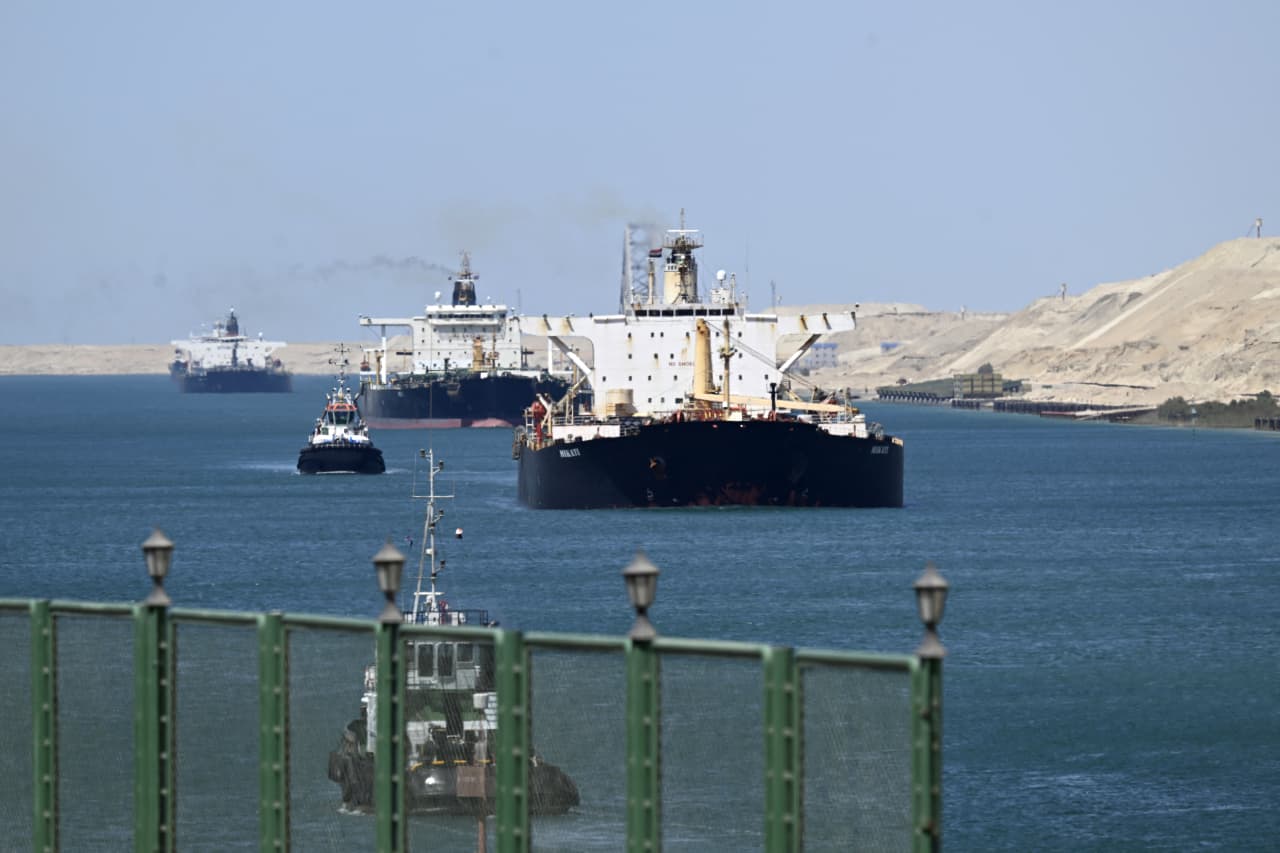
Saudi Arabia is increasingly using its Mediterranean port of Sidi Kerir to export oil, bypassing the Red Sea and Suez Canal due to regional security concerns. This strategic rerouting, while ensuring supply, introduces higher transportation costs and logistical complexities.
Saudi Arabia has significantly increased oil loadings from its Mediterranean port of Sidi Kerir in Egypt, signaling a strategic shift in export routes. This rerouting comes as geopolitical tensions, particularly in the Red Sea, make the traditional Suez Canal passage less attractive due to security risks and increased insurance premiums. By utilizing its East-West Pipeline to transport crude to Sidi Kerir, Saudi Arabia is bypassing the Bab el-Mandeb strait and the Suez Canal.
While this workaround ensures continued market access for Saudi crude, it introduces additional logistical complexities and higher costs. The pipeline journey and subsequent tanker loading at the Mediterranean terminal are inherently more expensive than direct Red Sea shipments. These increased costs will likely be factored into the pricing of Saudi crude for buyers, potentially impacting refiner margins and global oil benchmarks, albeit marginally given overall market dynamics.
Data from ship tracking firms indicates a notable uptick in Suezmax and VLCC tanker activity departing from Sidi Kerir, primarily destined for European markets. This sustained rerouting effort underscores Saudi Arabia's commitment to supply stability amidst regional instability, even if it entails operational adjustments and higher transport expenses. The shift highlights the elasticity of global oil supply chains and producers' willingness to absorb higher costs to maintain market share and fulfill contractual obligations.
Analyst's Take
The sustained rerouting of Saudi oil through Sidi Kerir could subtly underpin crude differentials for Mediterranean-bound grades over the medium term, as the added logistical cost becomes baked into regional pricing structures. This shift, if prolonged, might also pressure VLCC tanker rates for non-Red Sea routes as capacity reallocates, potentially creating a localized supply-demand imbalance in specific shipping corridors even as overall tanker demand remains robust.


