MarketsMarketWatchMay 20, 2026· 1 min read
Cosmetics Sector Grapples with Gen Z Spending Shift Amid Inflationary Pressures
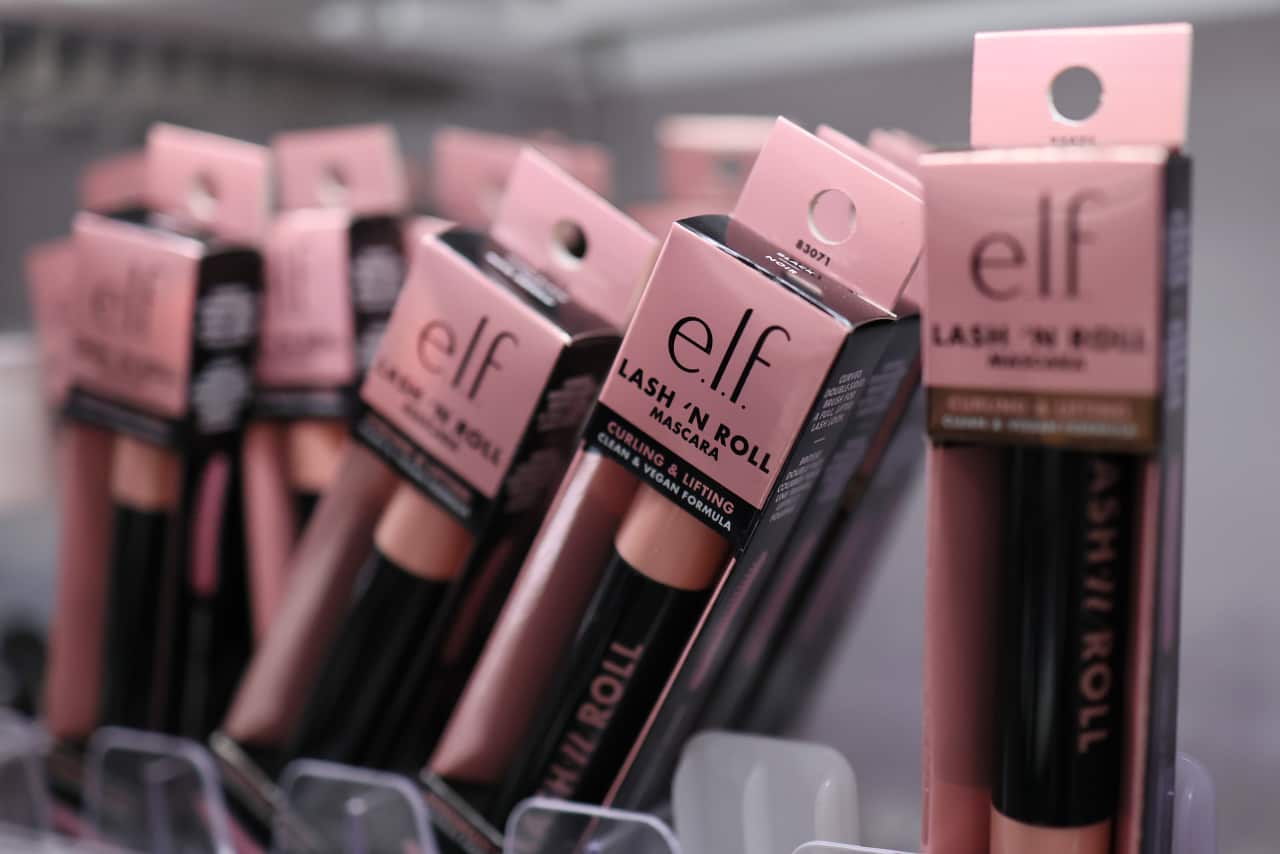
E.l.f. Beauty is reducing prices on some products, a move attributed to last year's tariff increases and concerns over Gen Z's reduced discretionary spending due to rising gas prices. This reflects broader inflationary pressures affecting consumer purchasing habits in the cosmetics sector.
E.l.f. Beauty, a prominent player in the cosmetics industry, has announced plans to reduce prices on select products. This strategic adjustment follows a period of tariff-related price increases implemented last year and comes amid growing concerns about consumers' discretionary spending, particularly from the Gen Z demographic. The company specifically cited the impact of elevated gasoline prices as a factor influencing consumer purchasing habits.
The decision to cut prices reflects an industry-wide sensitivity to inflationary pressures affecting household budgets. For Gen Z consumers, who often represent a significant growth segment for beauty brands, rising essential costs such as fuel can directly translate into reduced spending on non-essential items like cosmetics. This dynamic suggests a potential recalibration in consumer priorities, with discretionary purchases being deferred or traded down to more affordable alternatives.
From an economic perspective, E.l.f. Beauty's move could signal a broader trend of price competition within the cosmetics sector as companies vie for market share in a more constrained consumer environment. It also highlights how specific inflationary components, like energy costs, can ripple through various consumer goods markets, impacting sales volumes and profit margins. The broader implication is a potential shift in retail strategy across the consumer discretionary sector, with an increased focus on value proposition to maintain sales velocity.
Analyst's Take
While seemingly niche, E.l.f.'s pricing action could be a canary in the coal mine for broader consumer discretionary spending, signaling early signs of demand elasticity and potential inventory build-ups in non-essential retail. This trend, if sustained, might precede a more widespread discounting environment or a shift in capital allocation towards essential goods, indicating a slowing momentum in overall consumer confidence before aggregate economic data fully reflects it.


