EnergyOilPrice.comMay 28, 2026· 1 min read
U.S. Explores Cold War Plutonium for Nuclear Fuel Amid Uranium Shortage
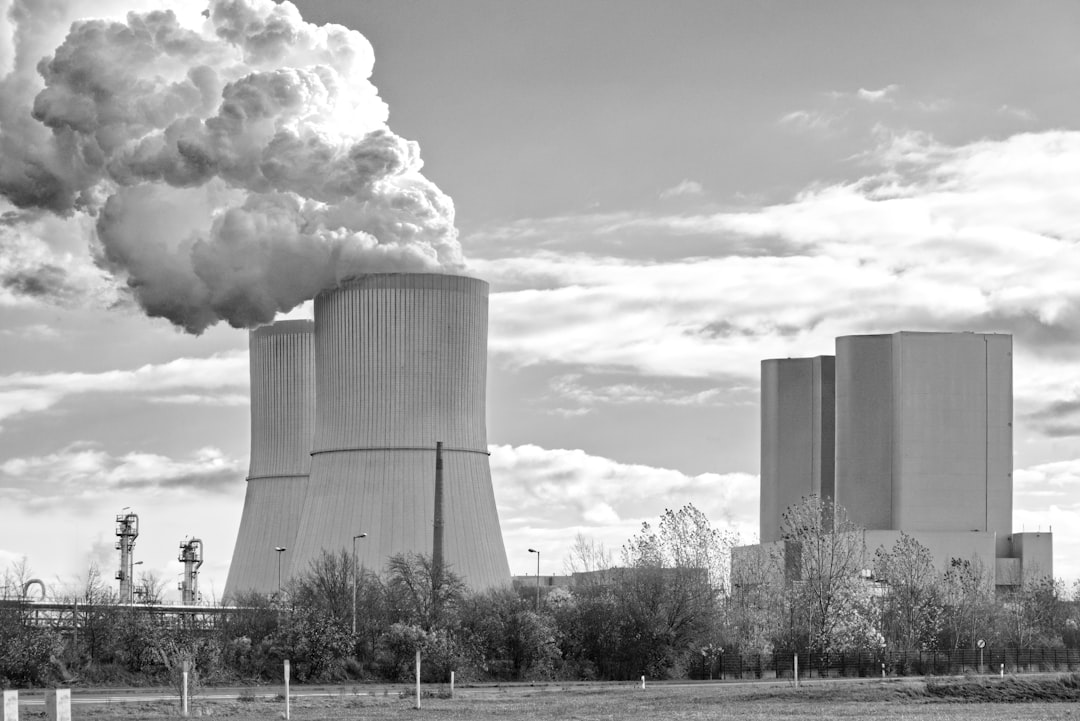
The U.S. government is considering using Cold War-era plutonium as nuclear fuel, driven by a shortage of uranium and renewed focus on nuclear power. The Department of Energy is engaging five companies to explore this alternative for new nuclear generation capacity.
The U.S. government is exploring the use of Cold War-era plutonium as a nuclear fuel source, a strategic shift driven by tightening global uranium supplies and resurgent interest in nuclear energy. The Department of Energy (DOE) has initiated discussions with five nuclear energy companies regarding the potential deployment of plutonium-based fuel in new generation capacity projects. This move marks a significant pivot in U.S. energy policy, leveraging existing strategic reserves to address contemporary energy security and supply chain challenges.
The scarcity of natural uranium, the traditional fuel for nuclear reactors, has prompted a reevaluation of alternative fissile materials. By repurposing plutonium, a byproduct of nuclear weapons production, the U.S. aims to bolster its domestic nuclear fuel supply and reduce reliance on external sources. The five selected companies are currently developing advanced reactor designs, which may be better suited for handling plutonium-based fuels compared to conventional light-water reactors. This initiative aligns with broader efforts to decarbonize the energy sector and enhance energy independence.
The economic implications are multifaceted. A successful transition to plutonium-based fuels could reduce long-term operational costs for nuclear power plants by diversifying fuel sources and potentially mitigating price volatility in the uranium market. Furthermore, it could accelerate the deployment of new nuclear capacity, providing a stable, low-carbon power source to meet growing electricity demand. The investment in advanced reactor technologies capable of utilizing plutonium also signals a commitment to innovation within the nuclear industry, potentially creating new domestic manufacturing and high-tech job opportunities. This strategic utilization of legacy materials underscores a pragmatic approach to energy resource management amidst evolving geopolitical and supply chain dynamics.
Analyst's Take
This initiative, while framed as an energy security play, also implicitly addresses a long-standing spent fuel disposal challenge by consuming existing plutonium stockpiles. The real economic impact will be felt in the long-term contracting dynamics for advanced reactor designs, potentially creating a tiered market where reactors capable of multi-fuel operation command a premium, and setting a precedent for international plutonium management frameworks that could influence global nuclear material markets.