EnergyOilPrice.comJun 22, 2026· 1 min read
AI's Hidden Cost: The Looming Electricity Demand Crisis
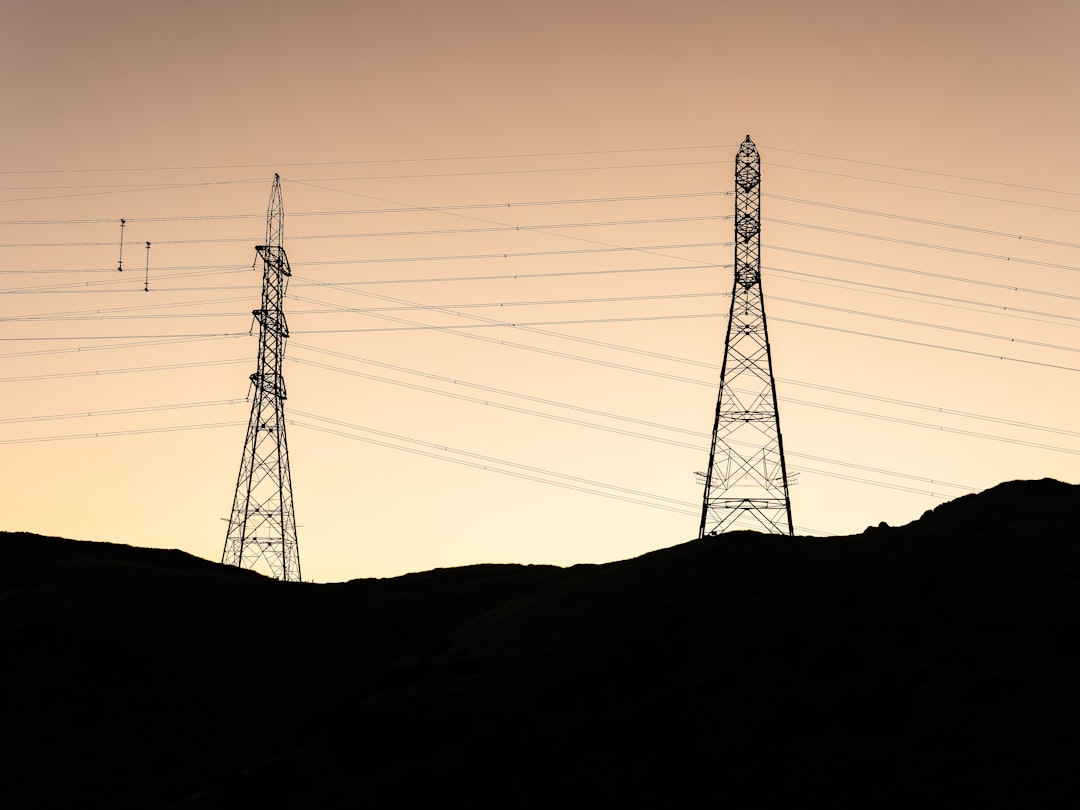
The rapid expansion of AI is creating an immense, underestimated demand for electricity, threatening to become a significant economic bottleneck. This surge in energy consumption will elevate operational costs for AI companies and necessitate substantial investments in power infrastructure.
The exponential growth of artificial intelligence (AI) is rapidly shifting from a technological advancement narrative to a fundamental challenge of energy supply. While NVIDIA's valuation surged from $300 billion to over $4 trillion in just two and a half years, propelled by unprecedented demand for AI computing chips, the underlying economic implication extends far beyond semiconductor profits.
The insatiable appetite of AI models and data centers for computational power translates directly into a massive increase in electricity consumption. Training and operating sophisticated AI models, particularly large language models, require immense energy inputs. This burgeoning demand is now emerging as a critical bottleneck for the AI industry's continued expansion.
Estimates suggest that AI's electricity needs are growing at an unsustainable pace, potentially straining existing power grids and infrastructure. This development presents a significant economic hurdle, as the cost and availability of electricity will increasingly dictate the scalability and profitability of AI-driven ventures. Companies deploying AI solutions will face escalating operational expenses related to energy, potentially impacting their bottom lines and investment decisions.
Furthermore, the surge in electricity demand creates ripple effects across various sectors. It will likely spur increased investment in power generation, transmission, and energy storage solutions. This could drive innovation and investment in renewable energy sources, but also reignite debates around traditional power generation methods to meet immediate shortfalls. The economic implications are multifaceted, touching energy markets, utility companies, infrastructure development, and ultimately, the cost of digital services powered by AI.
Analyst's Take
The escalating electricity demand from AI is a leading indicator for future capital expenditure allocation in the energy sector, likely pulling investment away from certain traditional infrastructure projects towards grid modernization and new power generation. This unpriced energy intensity will eventually manifest as higher utility costs for businesses and consumers, potentially acting as a deflationary force on overall AI investment returns as energy inputs become a more dominant cost factor.