EnergyOilPrice.comJun 26, 2026· 1 min read
AI's $7 Trillion Future Hinges on Power Grid Capacity
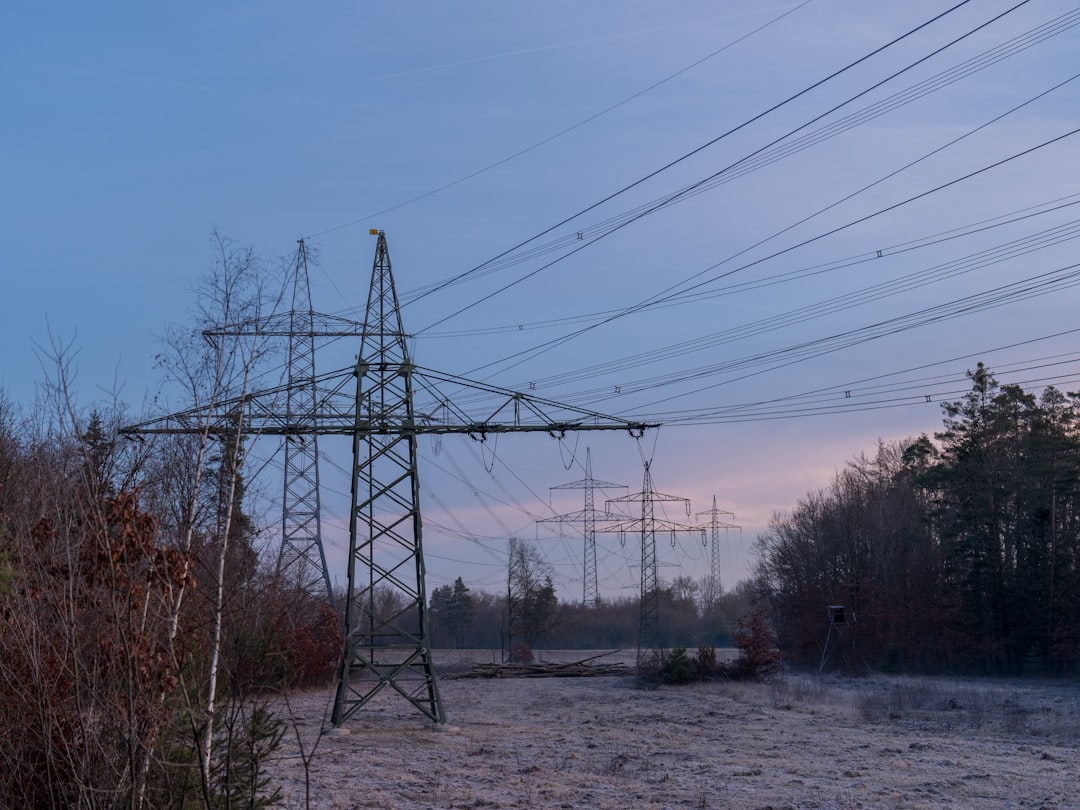
The expanding $7 trillion AI industry is increasingly constrained by access to high-capacity electrical power, driving tech giants into a global competition for grid connections. This energy demand is becoming a critical strategic factor for AI data center development and operational sustainability.
The burgeoning artificial intelligence sector, projected to reach a valuation of $7 trillion, faces a critical bottleneck: access to reliable and high-capacity electrical power. While the discourse often centers on semiconductors and software, the fundamental requirement for AI data centers is a secure, high-voltage connection to the power grid, often commanding investments of $100 million to $500 million per facility.
Major technology companies, including Google, Microsoft, and Amazon, are currently engaged in an aggressive global pursuit of energy resources and grid access. This intensifying competition pits these tech giants against conventional large-scale energy consumers such as municipalities and industrial manufacturers. The escalating demand is driven by the power-intensive nature of AI operations, with data centers requiring substantial and consistent electricity supply to run advanced computing infrastructure.
The scramble for power is not merely about kilowatt-hours but also about grid infrastructure and geographical availability. Securing locations with robust grid connections capable of supporting the immense energy requirements of modern AI data centers is becoming a paramount strategic imperative. This trend signals a fundamental shift in the AI investment landscape, where energy access is emerging as a primary determinant of growth and operational viability, potentially overshadowing other cost factors and technological advancements in the near term.
Analyst's Take
The escalating power demand from AI development could trigger significant capital expenditure in energy infrastructure, potentially revitalizing struggling grid modernization efforts and creating new revenue streams for utilities. This surge in demand could also lead to regional price disparities in electricity, impacting data center location strategies and potentially driving greater investment into on-site renewable generation or novel energy storage solutions within the next 2-3 years, as grid capacity becomes a more binding constraint than hardware supply.