MarketsMarketWatchMay 5, 2026· 1 min read
Trump Pauses Hormuz Reopening Bid, Oil Futures Dip
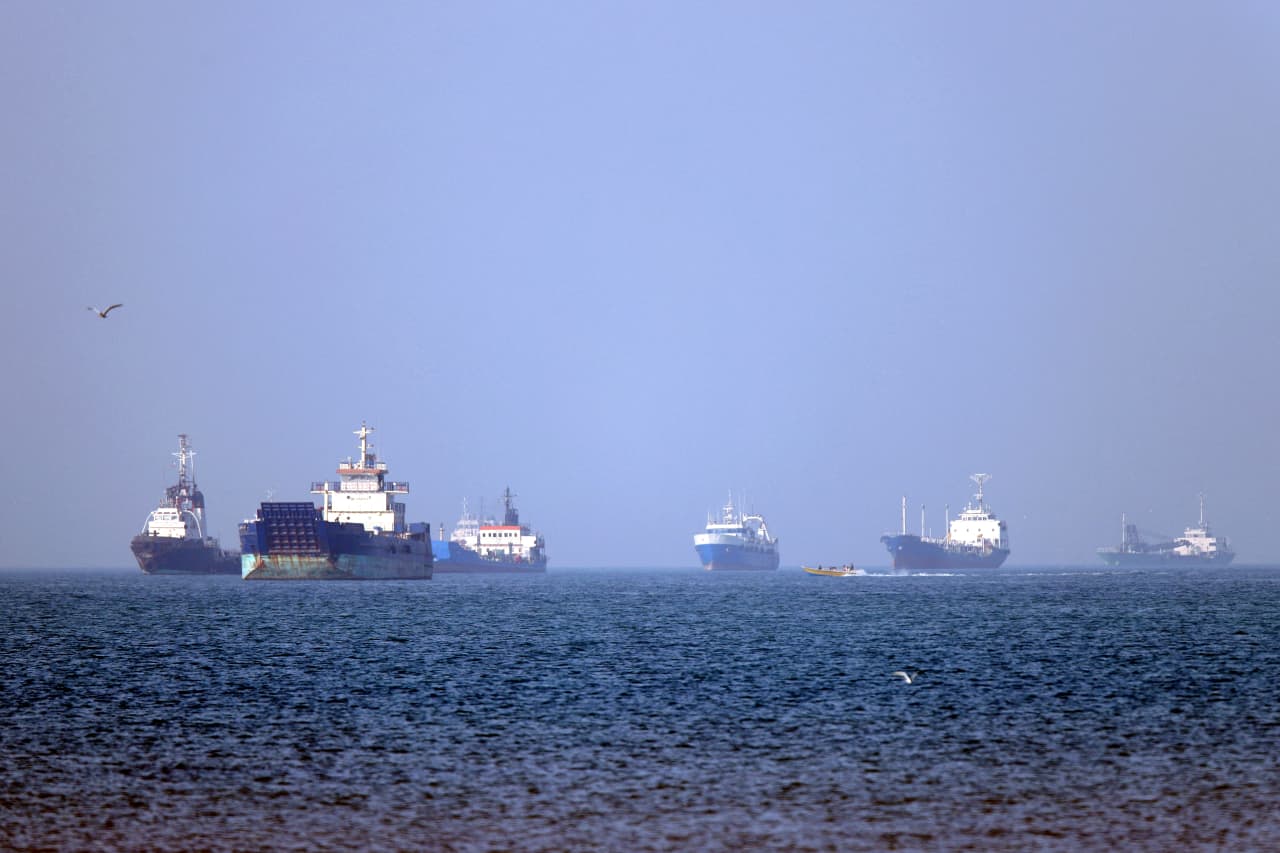
Crude oil futures fell Tuesday after President Trump announced a pause in efforts to partially reopen the Strait of Hormuz, citing a desire for more time to negotiate with Iran. This diplomatic pivot temporarily eased immediate supply disruption concerns, leading to a modest decline in oil prices.
Crude oil futures experienced a late Tuesday decline following President Donald Trump's announcement that the U.S. effort to partially reopen the Strait of Hormuz would be paused. The decision, aimed at allowing more time for diplomatic efforts to de-escalate tensions with Iran, introduced a degree of uncertainty regarding global oil supply routes.
The Strait of Hormuz is a critical chokepoint for international oil shipments, with approximately one-fifth of the world's total petroleum liquids consumption, or about 21 million barrels per day, passing through its waters. Any disruption or perceived threat to transit in the Strait typically triggers volatility in oil markets, often driving prices higher due to supply concerns. Conversely, reduced geopolitical tensions or a perceived easing of supply risks can lead to price softening.
Trump's move suggests a shift towards a more diplomatic approach, at least temporarily, rather than a more assertive posture that could have led to immediate confrontation or increased shipping risks. The market's reaction, a modest dip in crude prices, reflects a temporary abatement of the immediate supply disruption premium that might have been built into futures contracts. However, the underlying geopolitical friction between the U.S. and Iran remains, keeping the potential for future disruptions a persistent risk factor for energy markets. Traders will now monitor developments in U.S.-Iran negotiations for further cues on the stability of this crucial oil transit corridor and its impact on global supply and pricing dynamics.
Analyst's Take
While the immediate market reaction reflects a temporary de-escalation, the pause in reopening efforts does not resolve the underlying geopolitical standoff, merely delaying potential confrontation. The true long-term impact on energy markets will depend on the effectiveness and duration of the diplomatic 'buy more time' strategy; a failure to achieve a lasting agreement could see a swift return of the risk premium, potentially amplified by initial market complacency.


