EnergyOilPrice.comJun 22, 2026· 1 min read
Technical Malfunction Disrupts Qatar's Ras Laffan LNG Operations, Dozens Injured
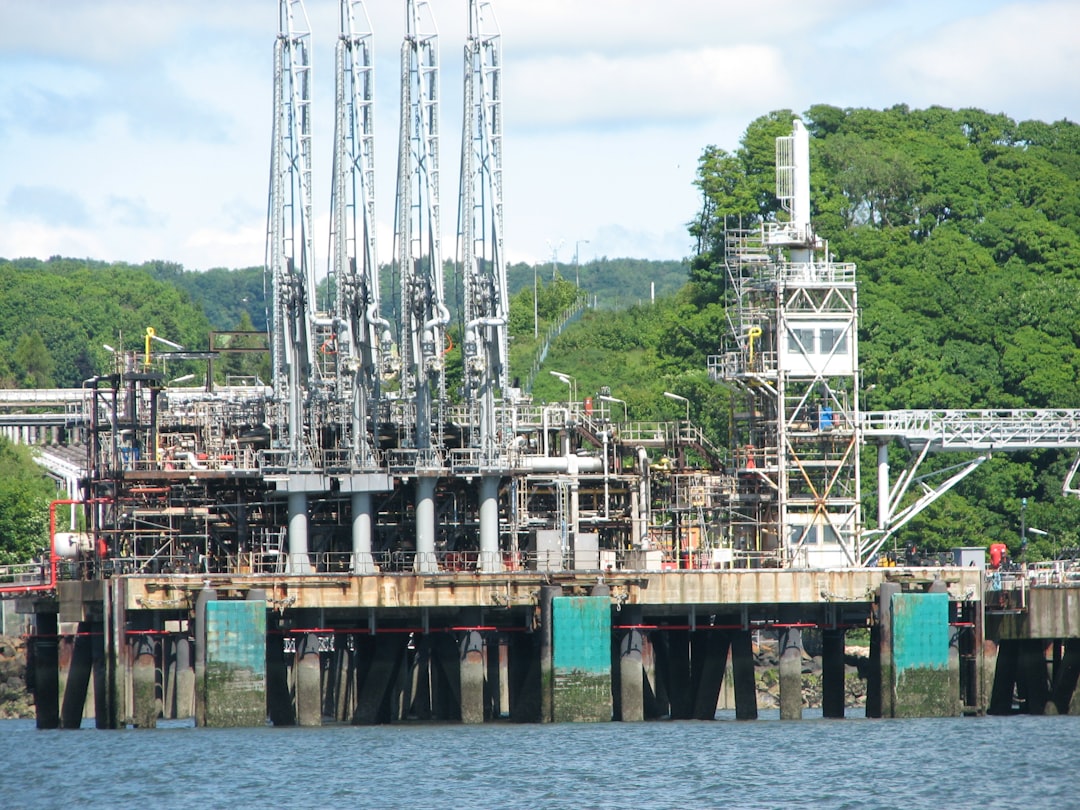
An explosion and fire at Qatar's Ras Laffan Industrial City injured over 50 people and left 18 unaccounted for, stemming from a technical malfunction at the Barzan local gas supply facility. The incident's economic impact hinges on the duration of operational disruptions at this key LNG export hub.
A technical malfunction at Qatar's Ras Laffan Industrial City resulted in an explosion and fire at the Barzan local gas supply facility on Sunday, June 21, 2026. The incident, which occurred during the start-up of operations, led to over fifty injuries, with eighteen individuals still unaccounted for as of early Monday. State firm QatarEnergy confirmed the operational incident.
Ras Laffan is a critical hub for Qatar's liquefied natural gas (LNG) exports, one of the world's largest. While the immediate incident is localized to a 'local gas supply facility,' sustained disruption could have implications for global energy markets, particularly given Qatar's significant role in LNG supply.
The economic fallout will primarily depend on the extent of damage to production and export infrastructure, and the duration of any operational halts. QatarEnergy has not yet provided a timeline for full resumption of affected operations or an assessment of the damage, which will be crucial for market participants. The incident underscores the inherent risks in large-scale energy infrastructure and potential vulnerabilities in global supply chains. Recovery efforts and investigations into the root cause are underway, with Qatari authorities involved.
Analyst's Take
While this localized incident at Ras Laffan doesn't immediately signal broad LNG market tightness, its timing could heighten anxieties given recent European efforts to diversify energy sources. A prolonged shutdown or capacity reduction, even at a 'local' facility, could translate into higher spot prices for LNG and potentially impact long-term contract negotiations, particularly as the Northern Hemisphere heads into future heating seasons. The market may be underestimating the cumulative effect of minor, unpredictable disruptions on overall energy security and price volatility.