MarketsMarketWatchMay 14, 2026· 1 min read
Nvidia Nears Breakthrough on Advanced Chip Exports to China Amid Geopolitical Tensions
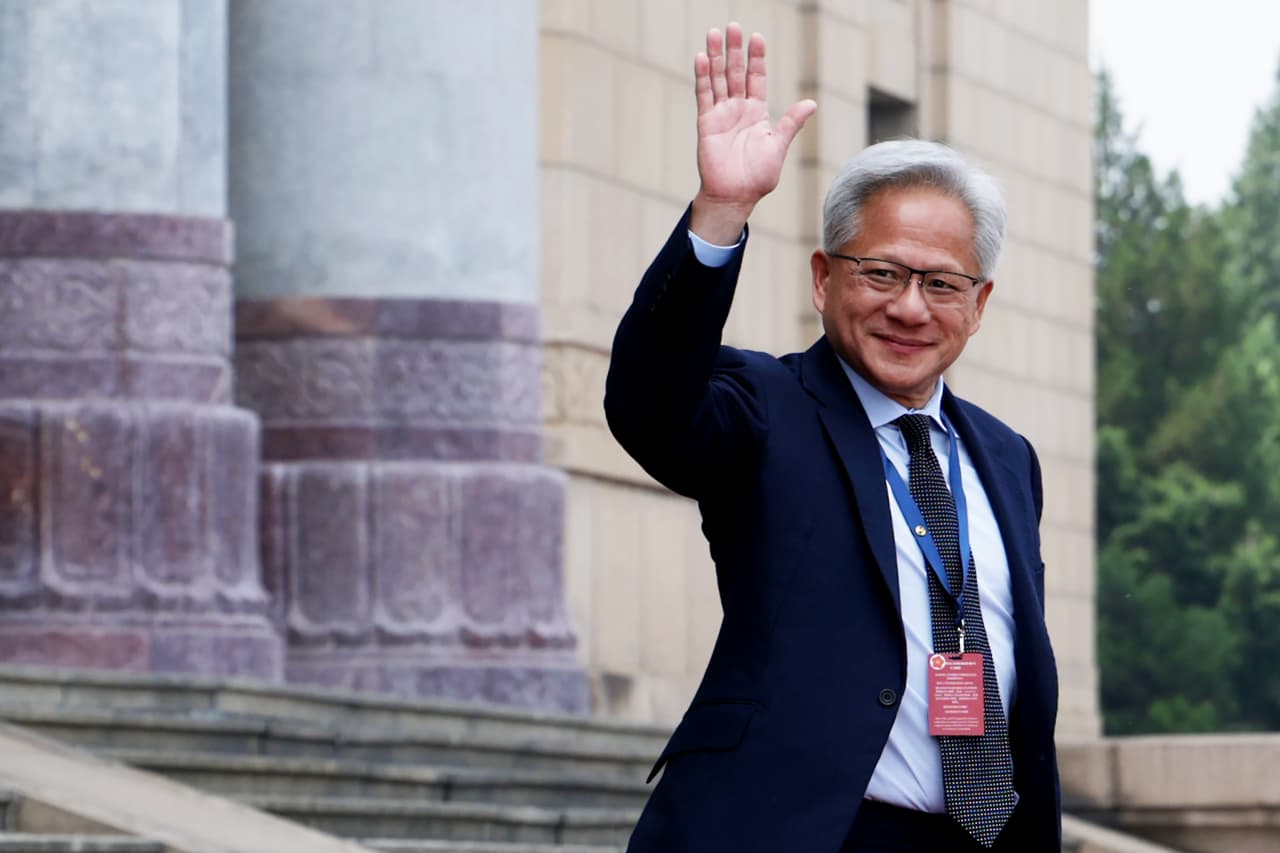
Nvidia is reportedly nearing a breakthrough in its long-standing efforts to export advanced semiconductor chips to China, a move that could significantly expand its market access. This development emerges despite ongoing U.S. export controls and China's push for technological independence.
Nvidia, a leading designer of graphics processing units (GPUs), appears to be making progress in its efforts to secure permission for exporting advanced semiconductor chips to China. CEO Jensen Huang has actively lobbied both U.S. and Chinese authorities to facilitate these exports, which have been complicated by escalating geopolitical tensions and technology transfer concerns.
The potential breakthrough signals a complex negotiation environment where commercial interests intersect with national security priorities. The U.S. government has increasingly restricted the sale of advanced chips and manufacturing equipment to China, citing national security risks and concerns over their potential use in military applications. Conversely, Beijing has pursued technological self-sufficiency, aiming to reduce reliance on foreign components.
For Nvidia, gaining greater access to the vast Chinese market for advanced semiconductors could significantly bolster its revenue streams and market share, particularly in high-performance computing and artificial intelligence segments. China represents a substantial portion of global demand for such chips, making it a critical market for leading semiconductor firms.
However, any agreement would likely involve stringent conditions or specialized product versions designed to comply with U.S. export controls, potentially offering less powerful capabilities than those available in other markets. The long-term implications for the global semiconductor supply chain and the broader U.S.-China technology rivalry remain a key point of observation for investors and policymakers alike. The development indicates a potential softening of previously rigid stances, though the specifics of any agreement will dictate its true economic impact.
Analyst's Take
This development, while seemingly positive for Nvidia, could foreshadow a broader trend of 'decoupled' technology offerings for distinct geopolitical blocs. The crucial second-order effect will be the precedents set for other high-tech exporters: will they also need to develop 'compliant' versions of their most advanced products, leading to a balkanization of global tech standards and increased R&D costs, ultimately impacting long-term profitability and innovation cycles more than initially perceived?


