EnergyOilPrice.comJul 13, 2026· 1 min read
EU's Russian LNG Imports Surge Ahead of 2027 Ban
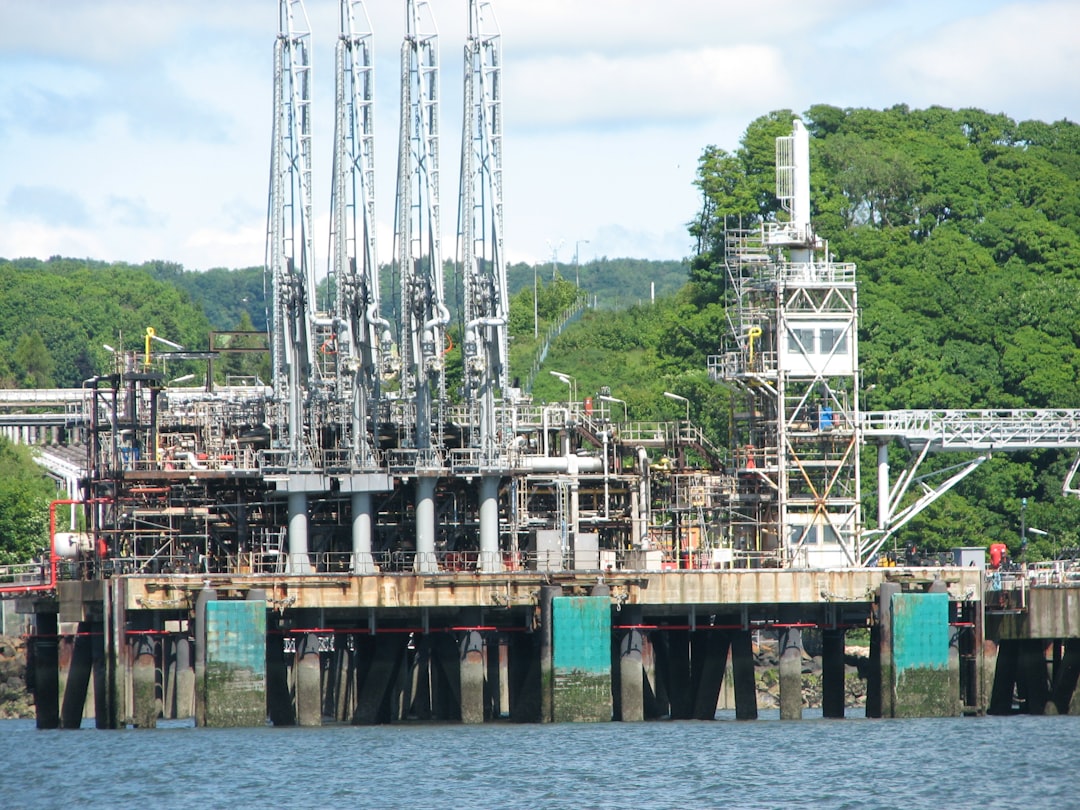
The EU imported a record 9.97 million metric tons of Russian LNG, valued at €5.96 billion, in H1 2026, a 16% increase year-over-year. This surge indicates front-loading ahead of the 2027 ban, with European buyers absorbing over 97% of Yamal LNG output.
The European Union recorded a significant increase in liquefied natural gas (LNG) imports from Russia during the first half of 2026, reaching a record 9.97 million metric tons. These imports, valued at approximately €5.96 billion (around $6.82 billion), represent a 16% rise compared to the same period in 2025. Data from Kpler indicates that the majority of these imports originated from Russia's Yamal LNG facility.
This surge in purchases comes despite the EU's stated long-term goal of reducing its reliance on Russian energy sources and an impending phase-out ban slated for 2027. European buyers absorbed over 97% of the Yamal facility's total output during this six-month period, suggesting a strategic 'front-loading' of supplies. The increase reflects a complex interplay of energy security concerns, market pricing, and the practicalities of transitioning away from a major energy supplier.
The economic implications are multifaceted. For Russia, the increased exports provide a temporary boost to revenues from its energy sector, partially offsetting the impact of other sanctions. For EU member states, the accelerated imports aim to bolster energy reserves and potentially mitigate price volatility as the 2027 deadline approaches. However, it also highlights the persistent challenges in fully decoupling from Russian energy infrastructure, even with political mandates in place. The cost of these front-loaded supplies could also impact future energy budgets.
Analyst's Take
The immediate surge in Russian LNG imports suggests a tactical build-up of inventory, which could depress European spot gas prices in late 2026 and early 2027 as these reserves enter the market. However, this temporary oversupply masks the long-term structural deficit and could embolden Russian attempts to find alternative buyers for future LNG capacity, potentially influencing global gas price floors beyond Europe.