MacroBBC BusinessJun 16, 2026· 1 min read
Lunar Helium-3: A Future Resource for Earth's Energy Needs?
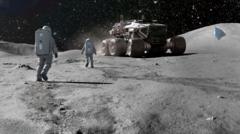
Growing demand for the rare and expensive isotope Helium-3 is driving interest in its potential extraction from the moon. Lunar mining of He-3 could provide a clean energy source, but faces significant technological and financial hurdles.
The potential for lunar Helium-3 (He-3) extraction is gaining renewed attention as global demand for the rare isotope is projected to rise significantly. Currently, He-3 is exceptionally expensive, limiting its widespread application despite its potential as a clean energy source, particularly in nuclear fusion research. Proponents suggest that lunar mining could unlock substantial quantities of He-3, offering a long-term solution to its scarcity.
He-3 is highly valued for its non-radioactive fusion properties, producing minimal radioactive waste compared to traditional nuclear fission. While terrestrial sources of He-3 are extremely limited, primarily as a byproduct of tritium decay in nuclear weapons stockpiles, the lunar regolith is believed to contain vast quantities deposited by solar winds over billions of years. Estimates suggest the moon could hold millions of tons of He-3.
Developing the technology and infrastructure for lunar He-3 extraction, transport, and processing represents a monumental engineering and financial challenge. Initial investment costs would be substantial, requiring significant government and private sector collaboration. However, the prospect of a readily available, clean energy fuel could incentivize such ventures, potentially reshaping global energy markets in the distant future. The economic viability hinges on the ability to develop cost-effective mining and transportation methods, alongside advances in fusion technology that can effectively utilize He-3 as a fuel.
Analyst's Take
While lunar Helium-3 mining remains a distant prospect, the increased discourse signals a shift in long-term strategic resource planning, potentially influencing early-stage investment into space logistics and robotics. The future market for He-3 will likely be a bellwether for the viability of advanced fusion energy, attracting early-stage venture capital in fusion startups even before lunar extraction becomes feasible.

