EnergyOilPrice.comJun 11, 2026· 1 min read
Big Tech's Private Power Plants: A Looming Energy Bill Conundrum
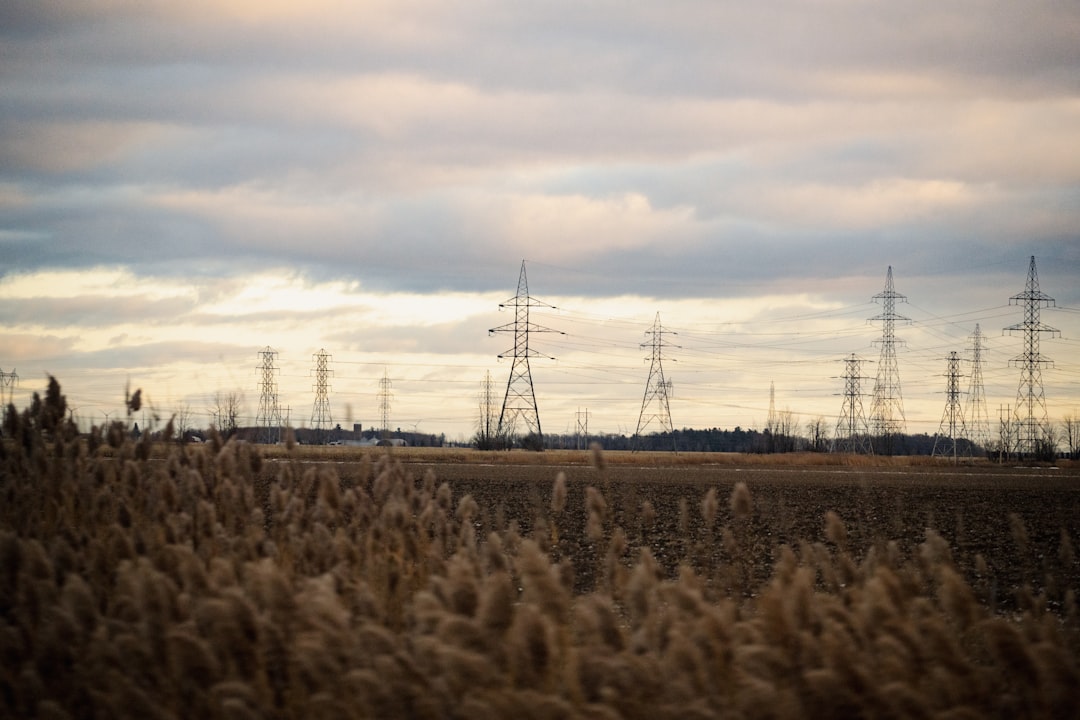
Major technology companies are building private power plants to supply their AI-driven data centers, a strategy intended to mitigate energy costs. However, experts warn this approach could increase energy bills for other ratepayers by shifting grid maintenance costs to a smaller customer base.
The proliferation of artificial intelligence (AI) is driving a significant surge in data center construction, prompting major technology companies to explore self-generation of electricity. Following encouragement from the previous Trump administration, tech giants are increasingly integrating private power plants into their new data center campuses to meet their burgeoning energy demands.
While proponents suggest this strategy will insulate local ratepayers from the escalating power costs associated with increased data center loads, industry experts are voicing concerns that the opposite may occur. The core issue lies in the economics of utility-scale power grids. Data centers, with their immense and constant energy requirements, exert substantial pressure on existing infrastructure. When these facilities opt for private generation, they reduce their reliance on the traditional grid for direct consumption but still necessitate backup and transmission infrastructure from the utility.
This creates a potential cost shift. Utilities are structured to recover costs from their entire ratepayer base for the maintenance, upgrades, and standby capacity required to serve all customers, including those who partially or fully self-generate. If large industrial consumers like data centers significantly reduce their grid purchases, the fixed costs of maintaining the grid must be spread across a smaller base of remaining customers, leading to higher per-unit charges for residential and commercial users.
Furthermore, the integration of distributed generation from tech companies introduces new complexities for grid operators, potentially requiring investments in smart grid technologies and grid modernization to ensure reliability and manage fluctuating energy inputs. These additional operational costs could also ultimately be passed on to ratepayers. The ongoing AI boom ensures that data center energy consumption will continue its rapid ascent, making the economic implications of this private power plant trend a critical consideration for energy policy and consumer costs.
Analyst's Take
The market may be overlooking the regulatory friction and political backlash this trend could generate, especially in states with established utility commission oversight. While tech companies seek energy independence, the broader economic impact on residential ratepayers could provoke legislative action or new utility tariffs designed to recover fixed grid costs from self-generators, effectively creating a 'grid access' fee that hasn't fully materialized yet.