MarketsMarketWatchMay 7, 2026· 1 min read
Warsh's Financial Disclosures Raise Transparency Concerns for Fed Nominee
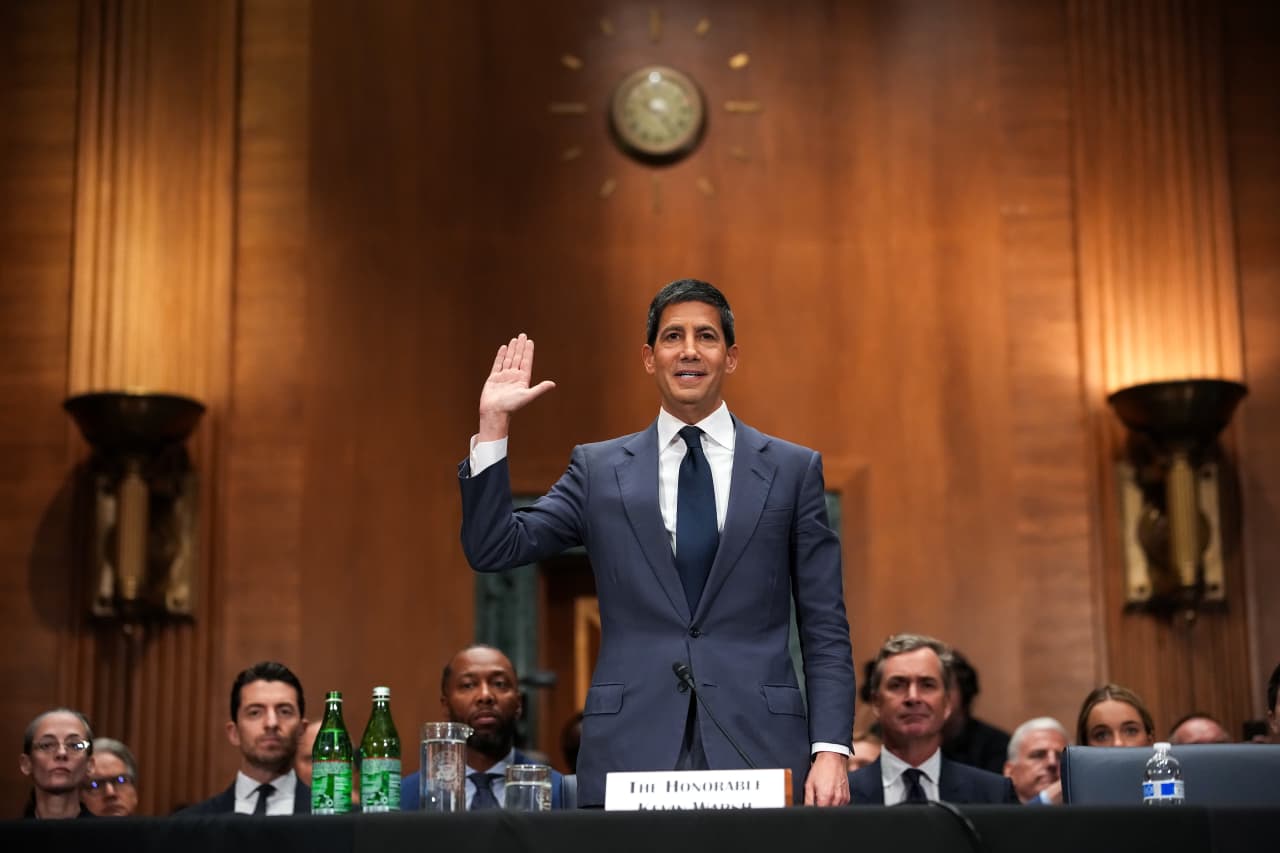
Federal Reserve Chair nominee Kevin Warsh's financial disclosures contain significant undisclosed assets, estimated at $100 million, raising concerns about transparency. Despite these omissions, the Senate is reportedly moving forward with his confirmation, potentially impacting public and market confidence in the Fed's impartiality.
Kevin Warsh, a nominee for Federal Reserve Chair, has submitted 69 pages of financial disclosures that prominently feature undisclosed assets, creating a significant point of contention as his Senate confirmation approaches. The documents, intended to provide transparency into the nominee's financial holdings and potential conflicts of interest, have instead generated questions regarding the extent of his wealth and the rationale behind its non-disclosure.
While the specific nature of the undisclosed assets remains unconfirmed, estimates place their value at approximately $100 million. This lack of detailed information could complicate the Senate's vetting process, particularly for a position as sensitive as the Fed Chair, which requires an unimpeachable standard of financial clarity and ethical conduct.
From an economic perspective, the opacity surrounding a Fed Chair nominee's finances could foster distrust in the institution's independence and decision-making. The Federal Reserve's credibility hinges on its perceived impartiality, and any perception of undisclosed financial interests could undermine public and market confidence in its monetary policy decisions. This is particularly relevant given the Fed's significant influence over financial markets and the broader economy.
The Senate's decision to proceed with confirmation despite these disclosures highlights a potential prioritization of political expediency over stringent financial vetting. The implications extend beyond Warsh himself, potentially setting a precedent for future high-level appointments where comprehensive financial transparency might be less rigorously enforced. The economic impact could manifest in increased market scrutiny of future Fed pronouncements, as investors weigh the potential for undisclosed biases.
Analyst's Take
The market may be underpricing the long-term erosion of institutional trust this episode could trigger, particularly if the nominee is confirmed. This lack of financial transparency could subtly inflate the risk premium on US assets in the future, as investors factor in increased political influence or potential conflicts of interest at the central bank, which could manifest in a slight divergence in bond yields or currency volatility.


