MarketsMarketWatchJul 11, 2026· 1 min read
Warsh's Congressional Debut: Lawmakers Grill Fed Chair on Economic Outlook
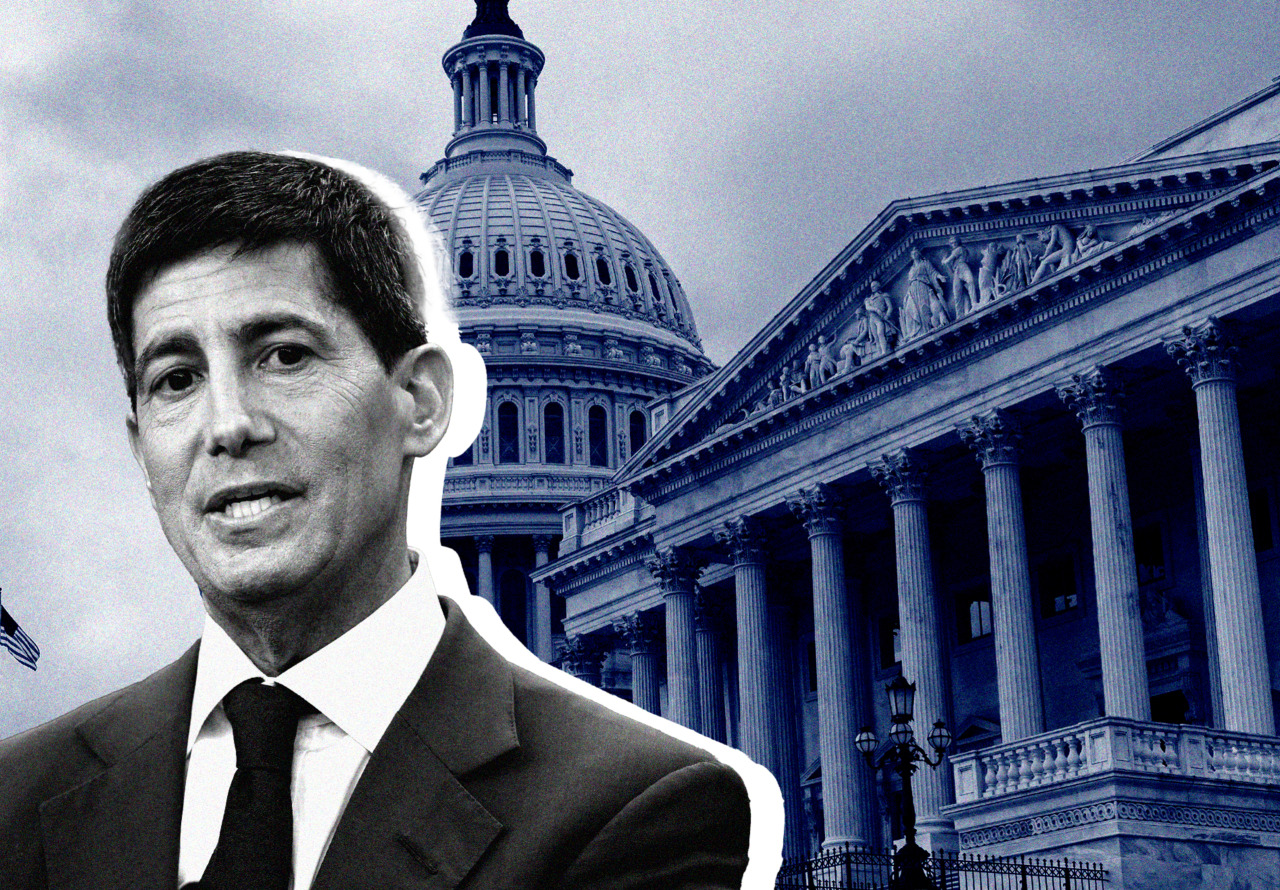
Federal Reserve Chair Kevin Warsh will testify before Congress for the first time, facing lawmaker scrutiny on the economic outlook and monetary policy. His remarks will be closely watched for signals on interest rates and the Fed's economic assessment.
Federal Reserve Chair Kevin Warsh is set to make his inaugural appearance before Congress this week, facing a critical examination from lawmakers eager for his assessment of the current economic landscape. This testimony marks a significant moment as Congress seeks clarity directly from the nation's chief central banker regarding monetary policy direction and the broader economic trajectory.
Lawmakers are expected to press Warsh on a range of economic indicators, including inflation trends, employment figures, and the robustness of GDP growth. Particular attention will likely be paid to the Fed's strategy for managing interest rates in the face of evolving economic data, and any potential shifts in forward guidance. The questioning will also aim to understand the Fed's perspective on global economic headwinds and their potential impact on domestic stability.
Warsh's responses will be closely scrutinized by financial markets for clues regarding the probability of future rate hikes or cuts, and the Fed's overall hawkish or dovish stance. Beyond immediate policy implications, his testimony will offer insight into the Fed's long-term economic outlook and its preparedness for various economic scenarios. This interaction between the legislative branch and the central bank underscores the political and economic interdependence influencing fiscal and monetary policy decisions.
Analyst's Take
While Warsh's testimony itself isn't a policy decision, the market will be looking for subtle shifts in language or emphasis that could signal a pivot in the Fed's stance on quantitative tightening or its inflation tolerance. Any unexpected hawkishness could put downward pressure on bond prices, signaling potential future rate volatility not yet fully priced into short-term derivatives.


