TradeSCMP BusinessApr 26, 2026· 1 min read
Central Hong Kong Office Market Bifurcates as Older Towers Slash Rents
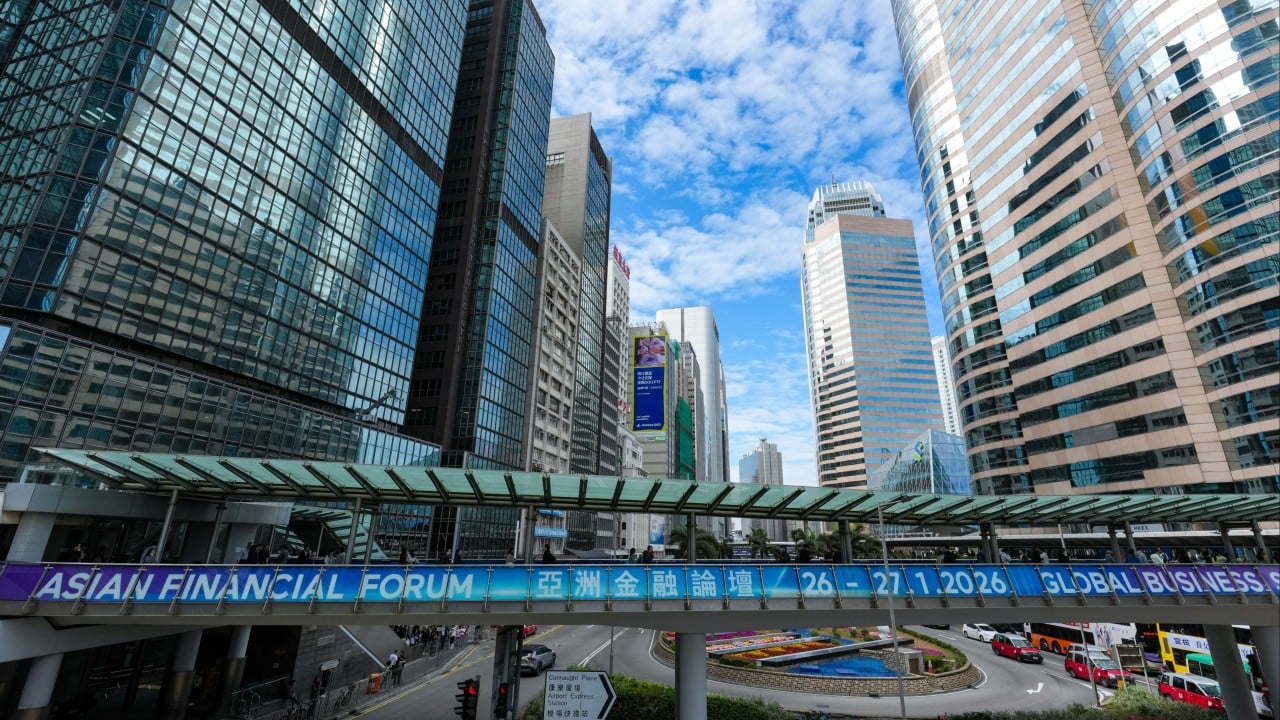
Hong Kong's Central business district is experiencing a two-tier office market recovery, with newer Grade A towers outperforming older properties. Landlords of older buildings are cutting rents and employing hands-on strategies to compete in a market where tenant preference for modern infrastructure is growing.
Hong Kong's Central business district is experiencing a two-speed recovery in its Grade A office market, leading to divergent rental performance among properties. While overall vacancy rates in Central have shown some improvement, falling to approximately 9.6% in the first quarter, a significant internal split is emerging. Newer, prime office developments are maintaining stronger rental positions, benefiting from a flight to quality and companies consolidating their footprints.
Conversely, older Grade A towers are increasingly compelled to reduce asking rents to attract and retain tenants amidst a competitive leasing environment. This trend indicates a growing challenge for landlords of older stock, who are now adopting more proactive and hands-on leasing strategies, including the hiring of dedicated asset managers, to navigate the evolving market dynamics. The broader market observation of firms relocating back to Central to capitalize on previously lower rents is now accompanied by an internal competition within the district itself, where property age and modernization are becoming critical differentiators in rental yields and occupancy rates.
This bifurcation suggests a maturation of the Central office market post-pandemic, where tenant preferences are increasingly skewed towards modern infrastructure and amenities, putting pressure on owners of older assets to invest in upgrades or accept lower rental income. The intensified competition within Central also highlights a potential shift in long-term asset valuations, favoring newer, premium developments and potentially devaluing older, unrenovated properties.
Analyst's Take
The bifurcation in Central's office market foreshadows a broader repricing of commercial real estate assets in mature markets, with capital increasingly flowing into newer, ESG-compliant developments. This divergence could accelerate M&A activity in the coming 12-18 months, as distressed owners of older assets seek exits and institutional investors look for value-add opportunities in renovation projects, potentially leading to a 'green premium' on modernized properties and a 'brown discount' on outdated ones.