MarketsMarketWatchMay 5, 2026· 1 min read
Trump's Proposed Hormuz Shipping Route Aims to Ease Oil Market Pressure
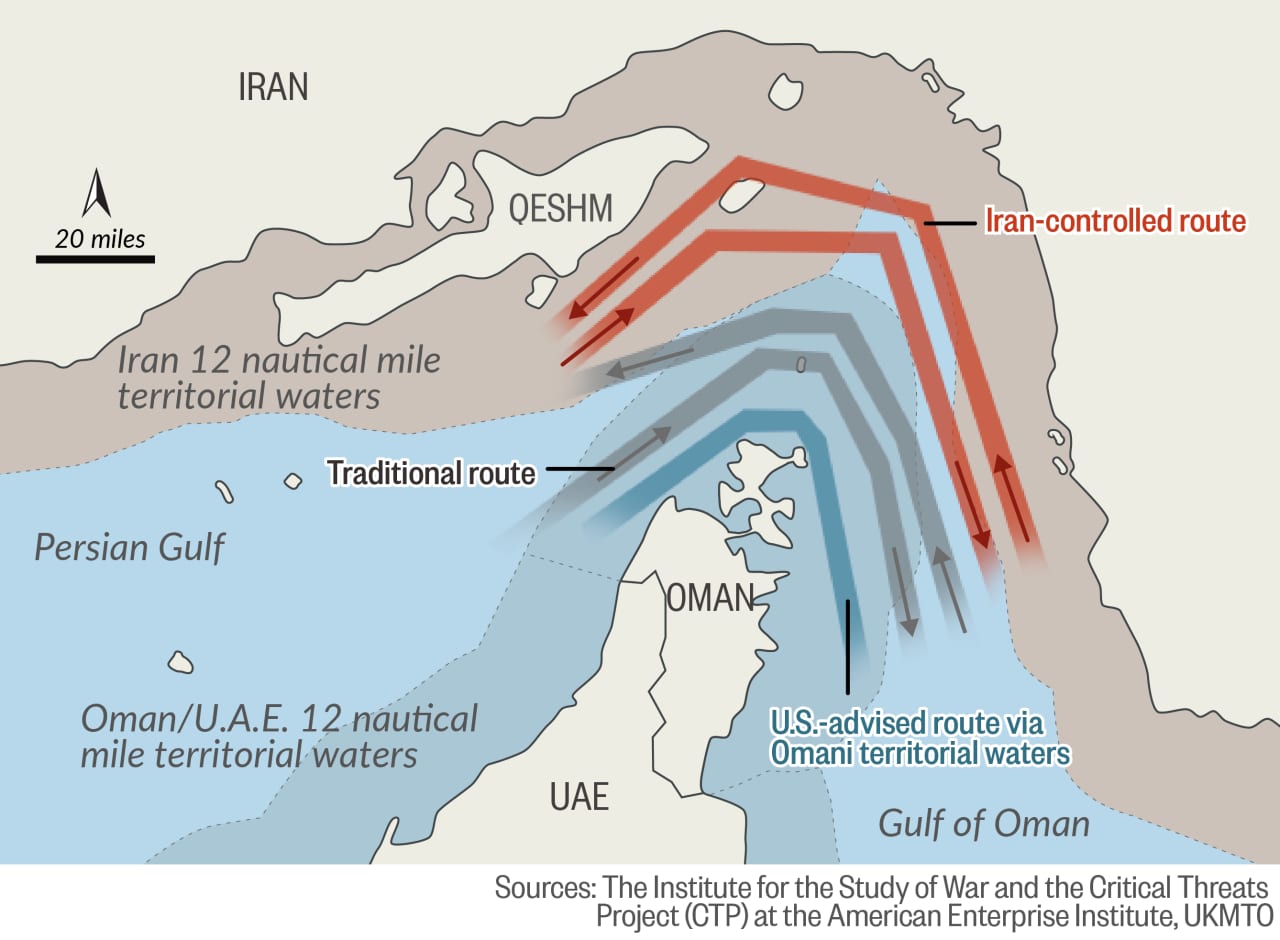
Former President Trump's administration is proposing a narrower, safer shipping lane through the Strait of Hormuz to clear vessel backlogs, including oil tankers. This initiative aims to alleviate pressure on global crude prices, which have risen over 50%, by facilitating market access for stranded ships.
Former President Trump's administration is reportedly pursuing a new, narrower shipping lane through the Strait of Hormuz, a move intended to enhance the safety of vessel transit and alleviate significant backlogs.
The initiative targets the hundreds of ships, including a substantial number of large oil tankers, currently stranded on either side of the critical chokepoint. The successful implementation of this new route could facilitate the movement of these vessels to global markets. Such an outcome is anticipated to ease some of the upward pressure observed in international crude prices, which have seen an increase of over 50% amidst recent geopolitical tensions and supply concerns related to the strait.
The Strait of Hormuz is a vital conduit for global oil shipments, with a significant portion of the world's seaborne crude passing through it daily. Any disruption or perceived threat to navigation in the strait typically translates to heightened oil price volatility and increased shipping insurance premiums. By proposing a more secure, albeit narrower, passage, the Trump administration's strategy aims to mitigate these risks and restore some stability to the global energy supply chain.
Economically, a successful de-risking of the Strait of Hormuz could lead to a modest correction in crude oil prices, benefiting consuming nations through lower energy costs and potentially dampening inflationary pressures. For the shipping industry, it could reduce transit times and operational uncertainties, potentially lowering freight costs. However, the effectiveness and widespread acceptance of such a narrow, proposed route by international maritime bodies and regional players remain key factors in its long-term impact on global trade and energy markets.
Analyst's Take
While the immediate goal is to de-risk crude transit, the implicit coordination required for such a narrow lane could inadvertently establish new precedents for international maritime governance in contested waters, potentially impacting future trade agreements beyond energy. The market may be overlooking the longer-term implications for insurance premiums and trade finance, which could see sustained shifts even if crude prices normalize.


