MacroBBC BusinessJul 29, 2026· 1 min read
UK Retail Embraces Chinese Robotics Amid Productivity Woes and Labor Shortages
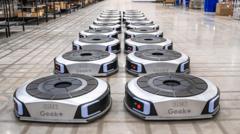
The UK retail industry is increasingly adopting robotics, predominantly from Chinese firms, to combat weak productivity growth and persistent labor shortages. This shift aims to enhance operational efficiency, mitigate rising labor costs, and address structural economic challenges.
The UK retail sector is increasingly adopting robotics solutions, primarily from Chinese manufacturers, as it grapples with persistent productivity challenges and acute labor shortages. This trend reflects a strategic shift by British retailers to automate various aspects of their operations, from warehouse logistics to in-store tasks, in a bid to enhance efficiency and mitigate rising labor costs.
Chinese robotics firms are capitalizing on this demand, offering a range of automated systems that address specific pain points within the retail supply chain. This influx of foreign technology underscores the domestic market's need for solutions to long-standing structural issues. The Office for National Statistics has consistently highlighted the UK's lagging productivity growth compared to other G7 nations, a factor that has constrained economic expansion and wage growth.
Labor shortages, exacerbated by demographic shifts and post-Brexit immigration policies, have further pressured retailers. Automation is viewed as a critical tool to maintain operational capacity and service levels in the face of these constraints. While the immediate economic implication is cost reduction and efficiency gains for adopting businesses, the broader impact includes potential shifts in employment patterns within the retail workforce.
The investment in robotics is also a response to inflationary pressures, as automation can help insulate businesses from rising wage demands and input costs. This strategic embrace of technology, particularly from a dominant global robotics producer like China, suggests a long-term commitment by the UK retail industry to modernization and resilience in a challenging economic environment.
Analyst's Take
While the immediate focus is on retail productivity, this trend signals a broader capitulation to global manufacturing leadership in high-tech sectors. This could imply a future where UK domestic innovation in robotics sees further decline, potentially widening the technology trade deficit and making the UK economy more dependent on foreign intellectual property in critical automation fields over the next 3-5 years, a dynamic perhaps overlooked by current market valuations of UK industrial firms.

