MarketsMarketWatchJun 24, 2026· 1 min read
Uber Invests Heavily in Robotaxi Integration, Signals Strategic Shift
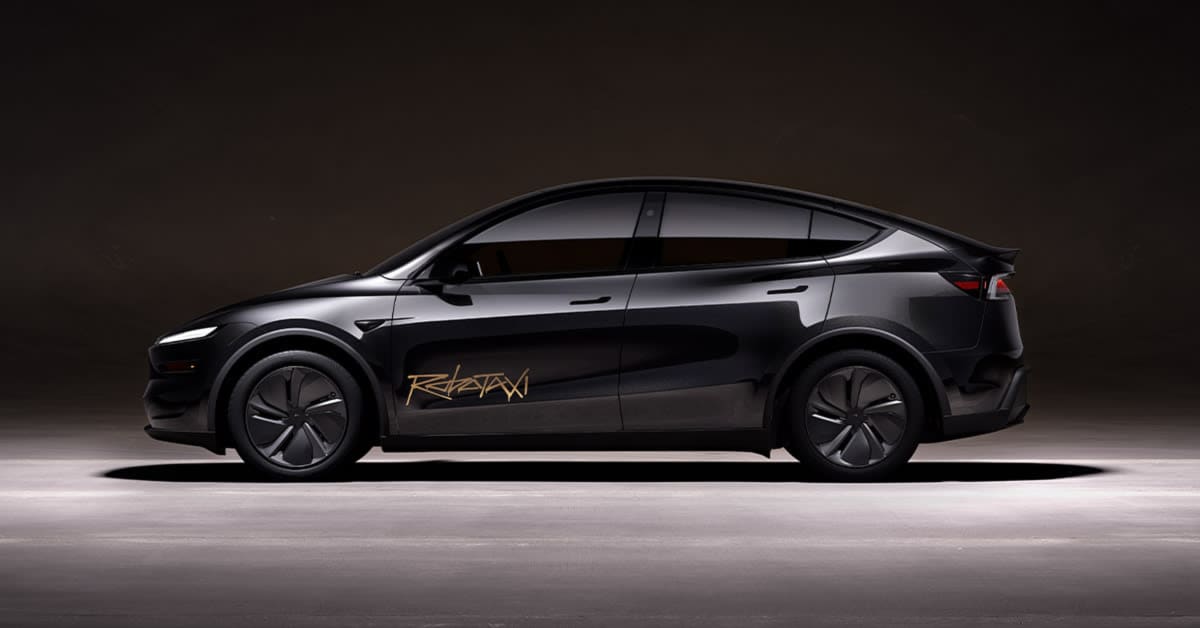
Uber is investing approximately $500 million to integrate robotaxi services onto its platform, signaling a strategic shift to secure its position in the autonomous vehicle market. This move aims to leverage third-party self-driving fleets and capitalize on long-term operational efficiencies.
Uber Technologies is significantly ramping up its investment in autonomous vehicle technology integration, committing an estimated $500 million to secure partnerships and integrate robotaxi services onto its platform. This strategic outlay comes as the ride-hailing giant navigates a rapidly evolving landscape where companies like Waymo and Tesla are accelerating their deployment of self-driving fleets.
While Uber itself does not manufacture autonomous vehicles, its substantial financial commitment underscores a pivot towards ensuring its platform remains central to future mobility solutions. By investing in partnerships, Uber aims to avoid being marginalized by direct-to-consumer robotaxi offerings from manufacturers. The company's strategy involves integrating third-party autonomous vehicle fleets seamlessly into its existing app infrastructure, allowing users to hail self-driving cars alongside traditional human-driven vehicles.
This investment reflects Uber's recognition of the long-term potential for operational efficiencies and cost savings that autonomous vehicles promise. By offloading driver costs and potentially optimizing fleet utilization, robotaxis could fundamentally alter Uber's profitability model. However, the half-billion-dollar expenditure also highlights the competitive pressure and the high stakes involved in securing a dominant position in the nascent robotaxi market, which is still subject to regulatory uncertainties and technological hurdles. The move suggests an accelerated push to adapt its business model before widespread autonomous adoption potentially disrupts traditional ride-hailing economics.
Analyst's Take
Uber's aggressive capital allocation towards robotaxi integration suggests an implicit acknowledgment of peak driver supply costs, potentially anticipating a plateau in human driver availability or increased regulatory pressure on contractor models. This forward expenditure, rather than R&D into proprietary AV tech, could be viewed as a hedge against future margin compression, signaling a longer-term shift in its labor cost structure long before full AV autonomy is achieved.


