MacroBBC BusinessJul 10, 2026· 1 min read
Ryanair Incident Raises Questions on Airline Safety, Operational Standards
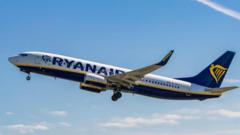
A Ryanair passenger was reportedly nearly sucked out of a damaged aircraft window mid-flight, held by his wife for several minutes. This incident raises concerns about airline safety standards, maintenance protocols, and potential economic repercussions for carriers facing reputational damage and increased regulatory scrutiny.
A recent mid-flight incident on a Ryanair flight, where a passenger was reportedly almost sucked out of a damaged window, has brought renewed scrutiny to airline safety protocols and maintenance practices within the aviation sector. Passengers onboard reported that the individual's wife held onto his legs for approximately five minutes to prevent him from being pulled out of the aircraft. While the precise cause of the window damage remains under investigation, the event highlights potential vulnerabilities in aircraft integrity and the critical importance of pre-flight checks and ongoing maintenance.
From an economic perspective, such incidents, though rare, can have significant implications for airline operators. Reputational damage can lead to a decline in bookings and passenger confidence, directly impacting revenue streams. Furthermore, investigations by aviation authorities may result in operational disruptions, including temporary grounding of aircraft or increased regulatory oversight, incurring additional costs. For Ryanair, a major European budget carrier, maintaining a robust safety record is crucial for its low-cost model, which relies heavily on high passenger volumes and efficient operations. Any perceived lapse in safety could erode competitive advantage and shift demand towards rivals.
In the broader aviation market, this incident serves as a reminder of the inherent risks in air travel and the continuous need for investment in maintenance, technology, and crew training. Airlines operate within a highly regulated environment, where safety standards are paramount. Any failure to adhere to these standards can trigger costly investigations, fines, and potentially impact insurance premiums across the industry. While the immediate financial impact on Ryanair is likely to be limited given the isolated nature of the incident and its robust safety history, the long-term economic implications hinge on the official findings and subsequent corrective actions implemented by the airline and monitored by regulators.
Analyst's Take
While immediately localized to Ryanair, persistent safety concerns could prompt broader regulatory reviews across budget airlines, potentially increasing operational costs industry-wide for compliance. This could subtly erode the ultra-low-cost model's profitability, making airlines less competitive against full-service carriers or necessitating fare adjustments not yet priced into market expectations.

