EnergyOilPrice.comJul 5, 2026· 1 min read
Texas Data Center Surge Fuels Energy Sector Growth
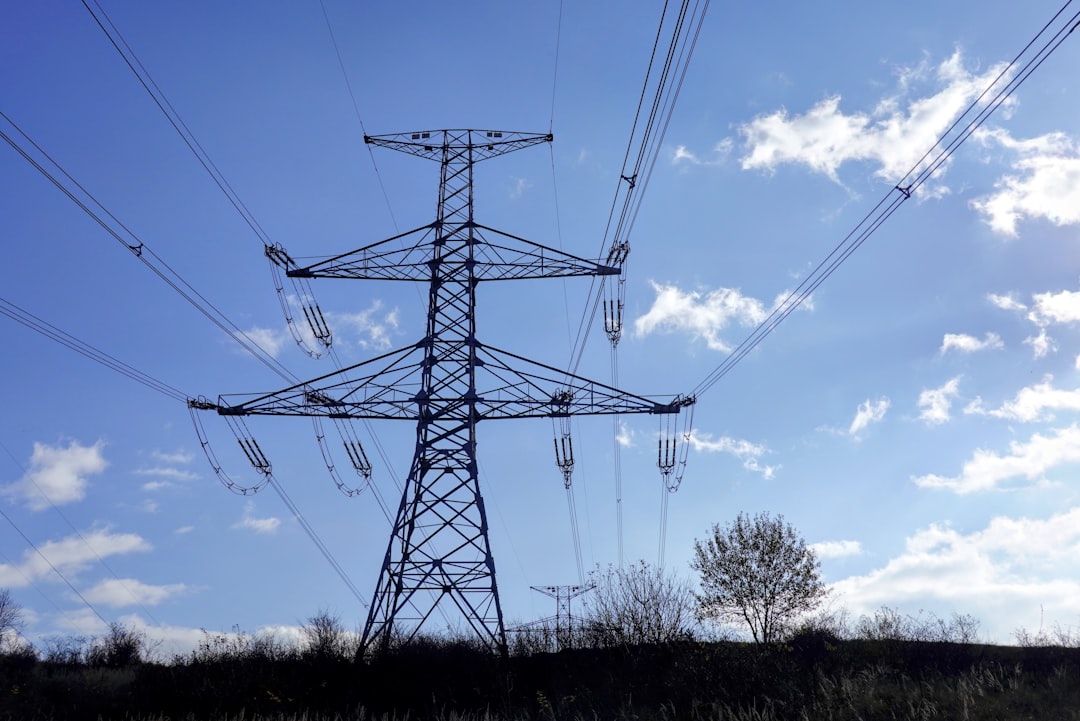
Texas is experiencing a substantial increase in electricity demand driven by a burgeoning AI data center industry, prompting significant infrastructure development. ERCOT projects state power demand to reach 368 gigawatts by 2032, fueling growth for energy companies operating within the state.
Texas is experiencing a significant surge in data center development, driven by the expanding artificial intelligence (AI) sector. This boom is creating substantial new demand for electricity, reshaping the state's energy landscape and benefiting several key energy companies.
Cities like Abilene, Amarillo, and Midland are witnessing extensive infrastructure buildouts, including new power generation facilities and expanded transmission lines. This reflects a tangible investment in physical assets, distinguishing it from purely speculative AI ventures. The Electric Reliability Council of Texas (ERCOT), which manages most of the state's electricity grid, has dramatically revised its long-term power demand forecasts. ERCOT now projects that electricity demand could reach approximately 368 gigawatts by 2032. This figure represents a substantial increase from previous estimates and underscores the scale of the energy requirements anticipated from the data center expansion.
The implications for Texas's energy sector are profound. The increased demand will necessitate further investment in generation capacity, including both conventional and renewable sources, as well as enhancements to grid stability and transmission infrastructure. This trend is expected to provide a robust demand floor for electricity producers and transmission operators in the region, offering a long-term growth catalyst for companies with significant operations in the Texas market.
Analyst's Take
While seemingly positive for energy providers, this surge in demand, particularly from a volatile sector like AI, introduces grid stability risks and potential price volatility for industrial and residential consumers in ERCOT. The long-term implications for energy mix and capital expenditure cycles in Texas may also attract out-of-state energy players seeking to capitalize on predictable demand growth, potentially intensifying competition.