MarketsMarketWatchJun 25, 2026· 1 min read
Iraq's Potential OPEC Exit Signals Future Oil Market Volatility
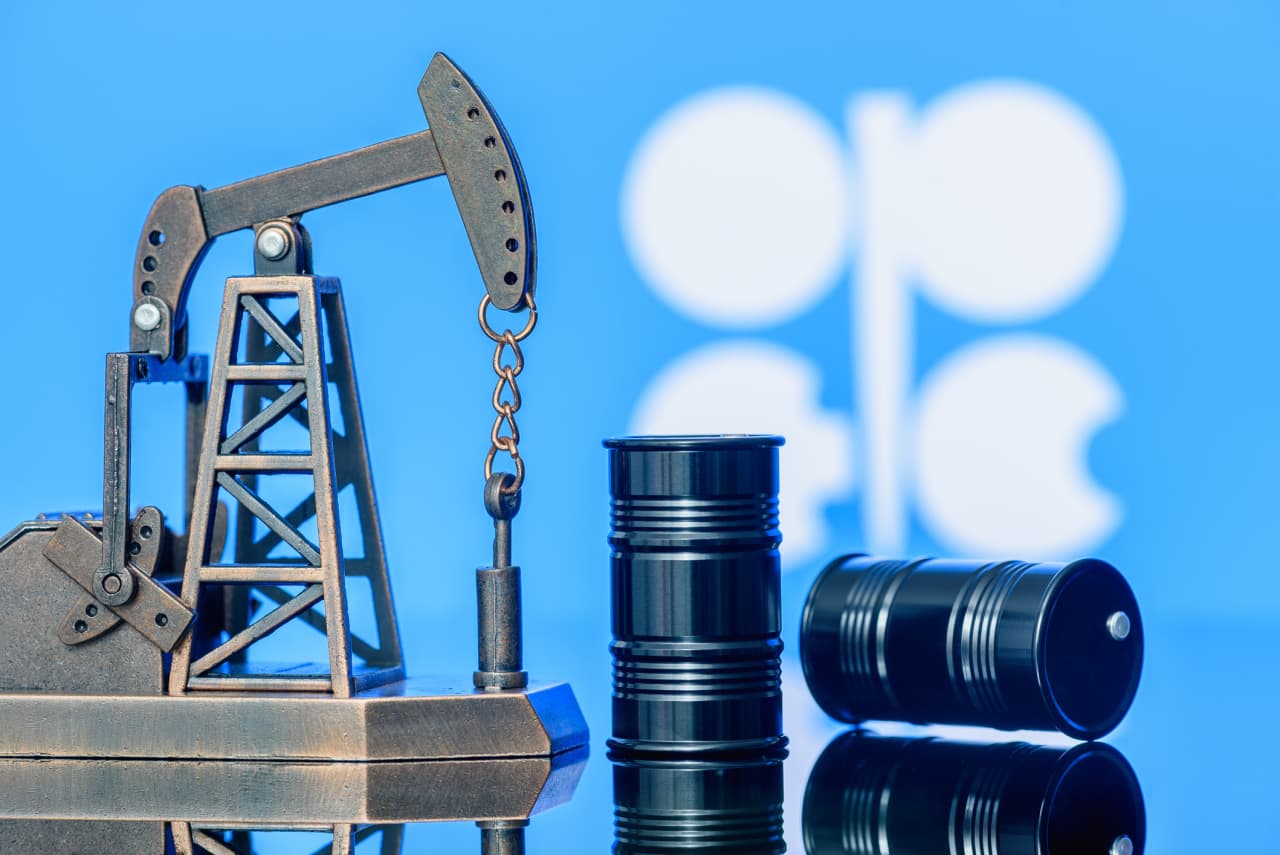
Iraq's potential 2026 exit from OPEC could significantly disrupt global oil markets, potentially driving prices below $50 per barrel. This move would weaken OPEC's ability to control supply and stabilize prices, leading to increased output from Iraq and other producers.
Iraq's recent indication of a potential exit from the Organization of the Petroleum Exporting Countries (OPEC) in 2026 introduces significant uncertainty into the global oil market. This move, if actualized, could precipitate a substantial shift in crude oil supply dynamics, potentially driving prices below $50 per barrel. Iraq, as OPEC's second-largest producer, holds considerable sway, and its departure would weaken the cartel's collective ability to manage global output and stabilize prices.
The prospect of Iraq operating independently of OPEC quotas would likely lead to an increase in its oil production, as the nation seeks to maximize revenue without cartel constraints. This increased supply, coupled with potential similar actions from other disgruntled OPEC members or allies in the broader OPEC+ group, could flood the market. Such a scenario would exacerbate existing pressures from non-OPEC production growth and a potentially moderating global demand picture.
Historically, periods of uncoordinated production among major oil exporters have resulted in significant price downturns. A fragmented OPEC, lacking the cohesive strategy to implement production cuts, would lose its primary mechanism for propping up prices during oversupply. The economic implications for oil-producing nations, particularly those highly reliant on hydrocarbon revenues, could be severe, leading to budget deficits and potential social instability. For consuming nations, lower oil prices could provide a boost to economic growth by reducing energy costs for businesses and consumers, potentially easing inflationary pressures. However, it also introduces volatility that can deter long-term investment in oil exploration and production, creating future supply risks.
Analyst's Take
While the immediate market reaction to Iraq's comments might be muted due to the 2026 timeline, this development signals a growing internal fracture within OPEC that could accelerate the green energy transition by making fossil fuels appear even more volatile and less reliable as a long-term investment. Bond markets in oil-dependent nations might already be pricing in increased sovereign risk, even if equity markets haven't fully digested the long-term implications for oil supermajors' valuations.


