EnergyOilPrice.comMay 27, 2026· 1 min read
CNOOC Boosts Domestic Production with Bohai Sea Oilfield Launch
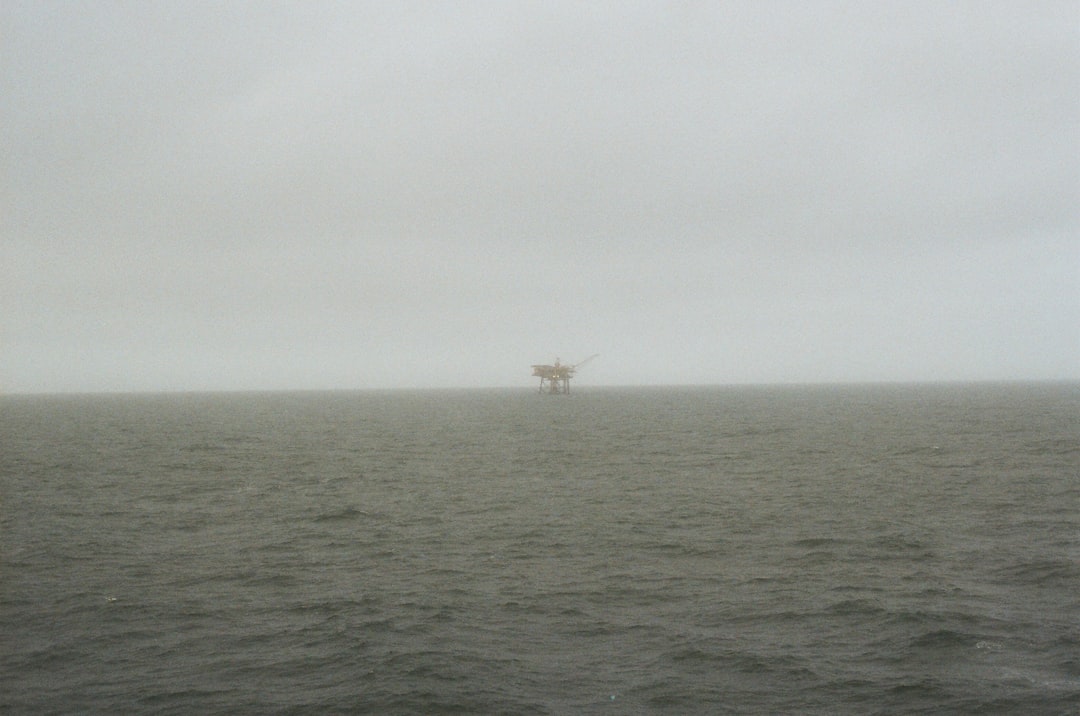
CNOOC has commenced full production from Phase One of the Kenli 10-2 oilfield in the Bohai Sea, adding over 20,500 bpd to China's domestic crude output. This initiative aims to enhance the nation's energy security and reduce reliance on oil imports.
China National Offshore Oil Corporation (CNOOC) has initiated full production from the first phase of its Kenli 10-2 oilfield in the southern Bohai Sea. This development, announced Wednesday, marks a significant step in bolstering China's domestic energy supply.
The Kenli 10-2 oilfield cluster represents China's largest offshore shallow-layer lithological oilfield. The initial phase of development is now producing over 20,500 barrels per day (bpd) of crude oil. This output contributes to CNOOC's broader strategy of enhancing indigenous crude oil and natural gas production capabilities.
From an economic perspective, increased domestic oil production, even at this scale, can marginally reduce China's reliance on imported crude. While 20,500 bpd is a fraction of China's overall oil consumption, which often exceeds 15 million bpd, it aligns with national energy security objectives. The phased development suggests further production increases are anticipated, potentially mitigating some future import volatility and associated costs.
Infrastructure for Phase One includes a new central processing platform and two unmanned wellhead platforms, supporting the 79 wells brought online. Such investments reflect ongoing capital expenditure in the energy sector, driving demand for related services and equipment. The long-term impact will be contingent on the full development potential of the Kenli 10-2 cluster and its contribution to China's energy mix amid global commodity price fluctuations.
Analyst's Take
While 20,500 bpd is a modest addition to China's vast consumption, this incremental domestic supply, coupled with similar ongoing projects, could subtly shift China's bargaining power in long-term crude purchase agreements over the next 12-18 months. The consistent investment in offshore fields also signals a strategic de-risking against potential geopolitical disruptions to sea lanes, a factor currently understated in global oil market risk premiums.