MarketsMarketWatchMay 12, 2026· 1 min read
UK Markets Flounder Amid Political Instability as Starmer's Leadership Waver
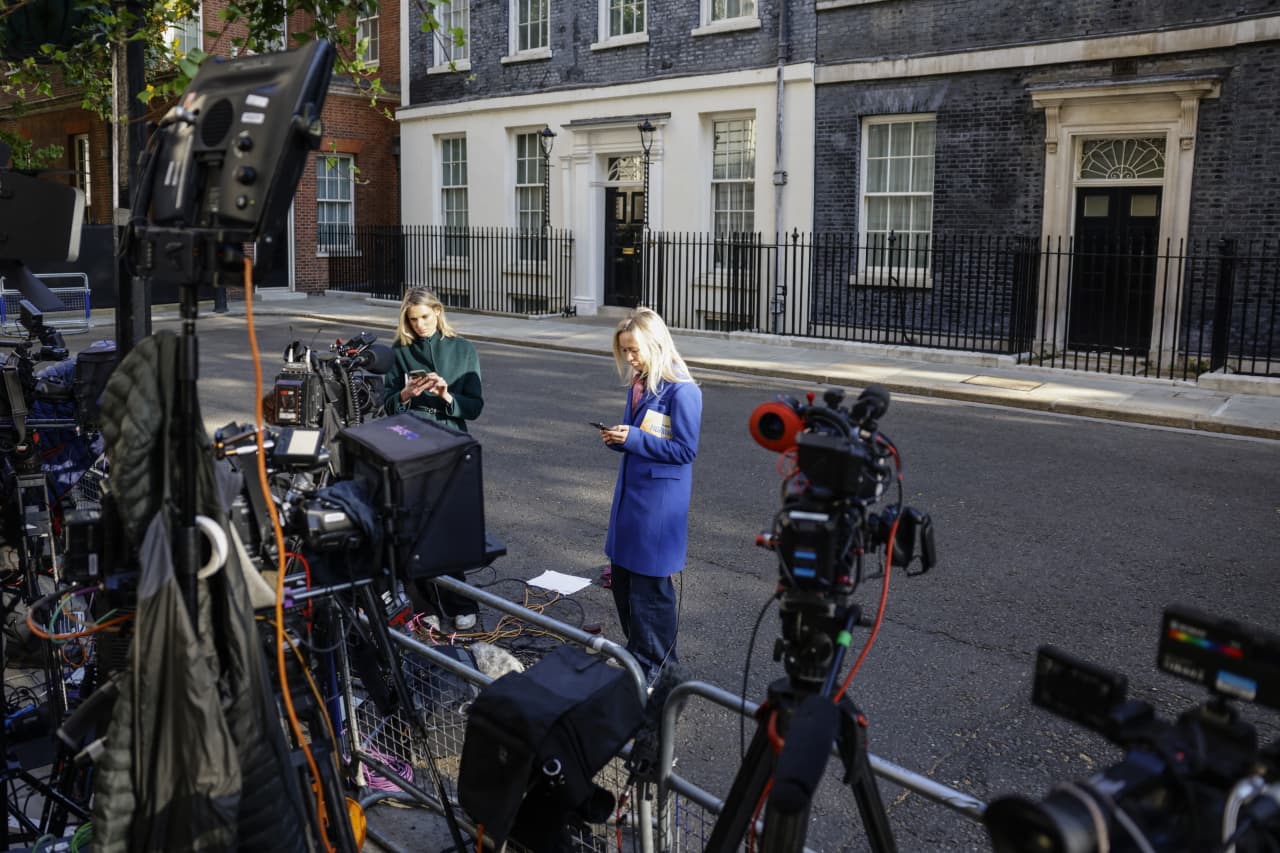
British government debt, currency, and stocks declined on Tuesday following reports that Prime Minister Keir Starmer's leadership is in jeopardy, with a potential challenge or resignation looming. This market reaction signals heightened investor caution and a repricing of UK assets due to political uncertainty.
British financial markets experienced a downturn on Tuesday amidst intensifying political uncertainty surrounding Prime Minister Keir Starmer's leadership. Reports circulated suggesting a potential leadership challenge or even an imminent resignation, triggering a negative reaction across key asset classes.
Government bond prices fell, indicating increased investor caution and a higher perceived risk associated with UK sovereign debt. This translates to an uptick in yields, making borrowing more expensive for the government. Simultaneously, the British pound depreciated against major currencies, reflecting a lack of confidence in the political outlook and its potential impact on economic stability.
The decline extended to the UK stock market, with major indices recording losses. Equity investors typically react negatively to political instability due to the potential for policy paralysis, increased regulatory uncertainty, and a dampening effect on business confidence and investment. This broad-based market reaction underscores the immediate economic implications of political turmoil, as investors re-evaluate their positions in the face of heightened risk.
The prospect of a change in leadership, whether through a challenge or resignation, introduces uncertainty regarding future economic policy direction, fiscal plans, and regulatory frameworks. This environment typically prompts a flight to safety among some investors and a repricing of UK assets to reflect the increased political premium. The market's immediate response suggests that participants are factoring in the potential for prolonged political instability and its knock-on effects on the broader economy, impacting both domestic and international investment flows.
Analyst's Take
While the immediate market reaction focuses on bond and currency depreciation, a sustained period of political instability could significantly disrupt foreign direct investment (FDI) into the UK. Beyond the initial re-pricing, prolonged uncertainty regarding future policy direction could deter long-term capital commitments, potentially exacerbating growth headwinds in subsequent quarters, a risk the market may not fully discount yet given the early stage of the crisis.


