MacroBBC BusinessJul 14, 2026· 1 min read
UK COVID Inquiry: PPE Procurement Failures Cost NHS £10 Billion, Compromised Safety
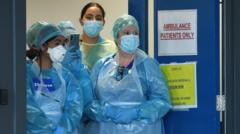
The UK's COVID-19 inquiry found that failures in PPE procurement led to £10 billion in wasted public funds and left NHS staff inadequately protected. This report highlights significant public finance misallocations and operational inefficiencies during the pandemic.
A recent report from the UK's COVID-19 inquiry has revealed significant failures in the procurement and provision of Personal Protective Equipment (PPE) for the National Health Service (NHS) during the pandemic. The inquiry concluded that these systemic shortcomings resulted in healthcare staff being inadequately protected against infection, directly impacting their ability to safeguard both themselves and their patients.
The economic implications of these failures are substantial. The report estimates that approximately £10 billion was wasted on substandard or unusable PPE. This figure represents a direct hit to public finances, diverting critical resources that could have been allocated to other essential healthcare services or economic recovery initiatives. The inquiry highlighted issues ranging from rapid, often unregulated, contracting processes that led to inflated prices and poor quality, to inadequate supply chain management once PPE was acquired.
Beyond the direct financial cost, the report implicitly points to broader economic consequences. The compromised safety of healthcare workers likely contributed to higher rates of staff absenteeism due to illness or burnout, straining an already stretched workforce. This, in turn, can reduce healthcare capacity and productivity, with ripple effects across the economy. Furthermore, the loss of public trust in government procurement and pandemic preparedness mechanisms could have longer-term implications for public sector efficiency and investor confidence.
The findings underscore the critical need for robust public procurement frameworks, particularly during national emergencies, to ensure value for money and effective resource deployment. The £10 billion expenditure represents not just a numerical loss but a reflection of operational inefficiencies and strategic missteps that hindered the nation's pandemic response and placed an undue burden on its healthcare infrastructure and treasury.
Analyst's Take
While the headline focuses on past waste, the more critical economic implication lies in future public procurement reform and its impact on government bond yields. Persistent evidence of inefficient state spending could lead to a widening of the spread between UK gilts and German bunds, reflecting increased perceived fiscal risk, especially as the UK grapples with elevated national debt and persistent inflation.

