EnergyOilPrice.comJun 1, 2026· 1 min read
Turkey and Azerbaijan Pursue Electricity Corridor to Europe
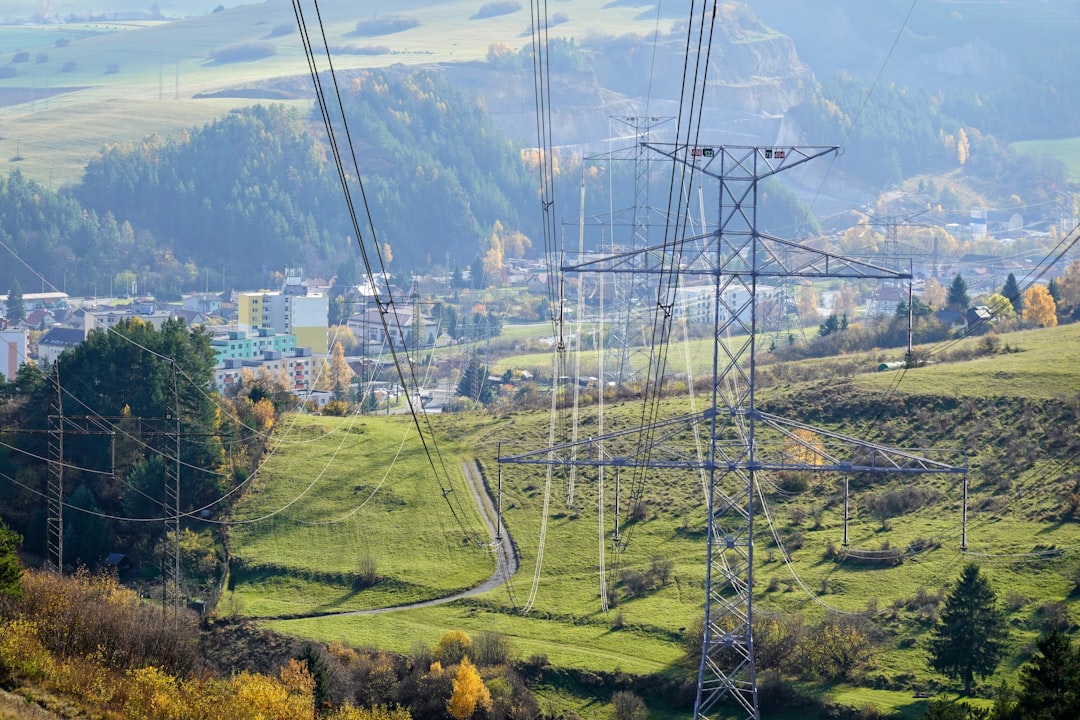
Turkey and Azerbaijan are planning an electricity corridor to connect Azerbaijani power generation with Southeast European markets. This initiative mirrors the successful TANAP natural gas pipeline, aiming to bolster regional energy connectivity and diversify European energy supply routes.
Turkey and Azerbaijan are advancing plans to establish an electricity corridor aimed at enhancing energy connectivity between Azerbaijan and Southeast Europe. Turkish Minister of Energy and Natural Resources, Alparslan Bayraktar, announced the initiative at the Baku Energy Week, likening it to the Trans-Anatolian Natural Gas Pipeline (TANAP).
The proposed corridor seeks to facilitate the transmission of electricity from Azerbaijan, a significant energy producer, across Turkey and into European markets. This development follows Turkey's successful role as a transit hub for natural gas via the Southern Gas Corridor, of which TANAP is a crucial component. The gas pipeline system has been instrumental in diversifying Europe's energy supplies, particularly in the wake of geopolitical shifts impacting traditional energy routes.
While specific timelines and investment figures for the electricity corridor were not detailed, the announcement underscores a strategic move to leverage existing energy infrastructure expertise and strengthen regional energy cooperation. The initiative aligns with broader European efforts to diversify energy sources and pathways, potentially offering a new avenue for renewable energy integration if Azerbaijan's generation capacity expands in that direction. The project would require significant upgrades to Turkey's grid infrastructure to handle increased transmission volumes and ensure grid stability.
Analyst's Take
This development, while appearing to be a positive step for energy diversification, implicitly signals a longer-term shift in Azerbaijan's energy export strategy, moving beyond its traditional hydrocarbon focus. The real impact will materialize when concrete power generation capacity additions, potentially renewables-driven, are announced, indicating a pivot that could attract significant green infrastructure investment into the Caucasus region and potentially pressure traditional gas-pipeline-centric investment models over the next decade.