MarketsMarketWatchJun 22, 2026· 1 min read
Former Federal Reserve Chairman Alan Greenspan Dies at 100
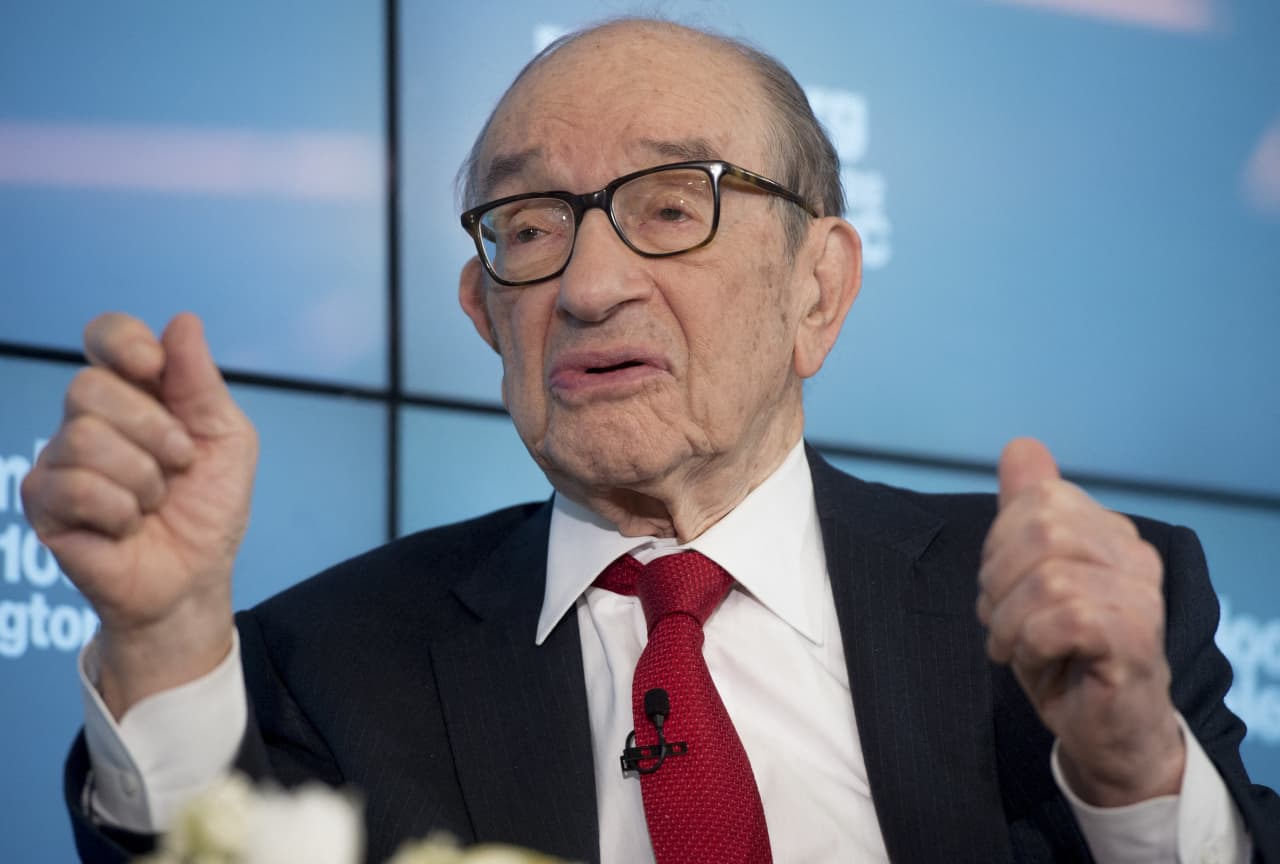
Former Federal Reserve Chairman Alan Greenspan, a pivotal figure in global monetary policy for nearly two decades, has died at 100. His tenure saw significant economic events and influenced central banking philosophy, though his legacy remains debated.
Alan Greenspan, who served as Chairman of the Federal Reserve for nearly two decades, has died at the age of 100. Greenspan’s tenure, from August 1987 to January 2006, spanned several pivotal economic periods, including the Black Monday stock market crash, the dot-com bubble, and the early years of the housing boom that preceded the 2008 financial crisis.
His leadership at the central bank was characterized by a focus on inflation control and a belief in market self-correction. Greenspan’s policy decisions significantly influenced global monetary policy and economic thought during a period of considerable deregulation and globalization. His approach to monetary policy, often described as 'Greenspan put,' implied the Fed's readiness to intervene to cushion market downturns, a concept that continues to be debated in financial circles.
Economically, his era saw prolonged periods of growth and low inflation, dubbed the 'Great Moderation.' However, critics later pointed to his perceived role in fostering asset bubbles through accommodative monetary policy, particularly in the lead-up to the 2008 crisis. His departure marked the end of an era defined by a largely hands-off regulatory approach and an emphasis on market efficiency.
Greenspan's impact on monetary policy frameworks and the operational independence of central banks remains a subject of academic and economic discourse. While his immediate death is a historical note rather than a live economic driver, his legacy continues to inform current economic policy debates, particularly concerning central bank intervention and financial stability.
Analyst's Take
While Greenspan's passing is a historical event, its timing might subtly re-engage discussions on central bank autonomy and the limits of market-based solutions, especially as global economies grapple with inflation and potential recessions. This could marginally influence rhetoric from current policymakers, leaning either into or away from his historical doctrines, without directly impacting immediate policy decisions.


