MarketsMarketWatchJul 29, 2026· 1 min read
Chipotle Raises Sales Outlook Amidst Short-Term Traffic Slowdown
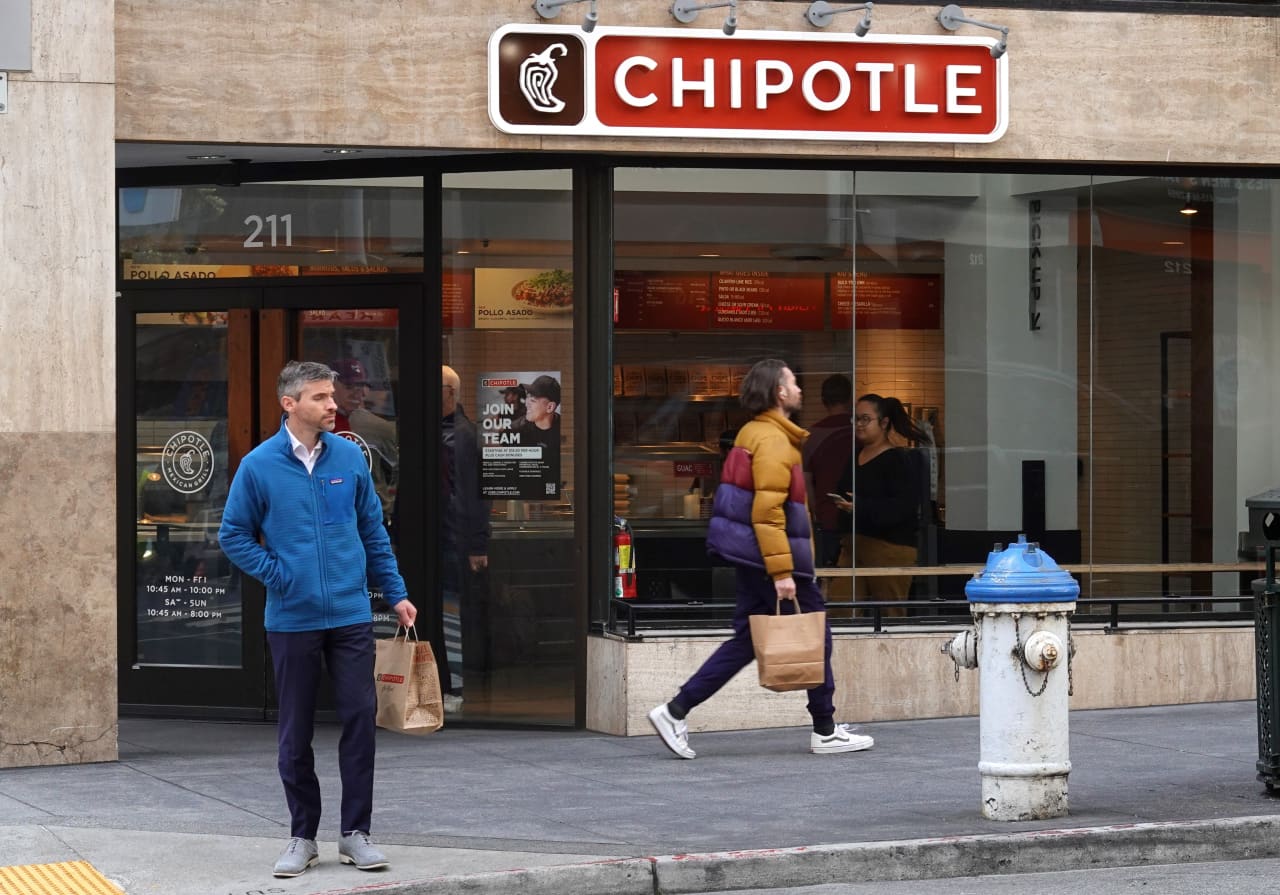
Chipotle Mexican Grill has increased its full-year comparable restaurant sales growth forecast, projecting high-single-digits to 10% growth. This upward revision comes despite the company experiencing a temporary "softening" in foot traffic during late July, linked to a lettuce-related health concern.
Chipotle Mexican Grill (CMG) has revised its full-year comparable restaurant sales growth forecast upward, despite acknowledging a "softening" in foot traffic during the latter half of July. The fast-casual chain now anticipates comparable restaurant sales growth in the range of high-single-digits to 10%, an increase from its previous projection of mid-to-high-single-digits.
This upward revision signals management's confidence in the brand's long-term sales trajectory, potentially driven by menu innovations, digital ordering strength, and pricing power. While the company did not elaborate on the specific cause of the July traffic dip, external reports have linked it to a localized food safety incident involving lettuce, leading to temporary operational disruptions and diminished consumer confidence in affected areas.
Economically, Chipotle's updated outlook suggests resilient consumer demand for its offerings, even in the face of minor operational hurdles. The ability to maintain or increase sales guidance despite a short-term setback highlights the brand's market position and its capacity to mitigate localized challenges. Investors will be monitoring subsequent earnings reports for confirmation of sustained growth and to assess the full impact and recovery from the reported traffic slowdown. The company's performance can serve as a bellwether for the broader fast-casual dining segment, indicating underlying consumer spending patterns within the restaurant industry.
Analyst's Take
Chipotle's confidence in its full-year guidance, despite recent traffic softness, indicates an expected short-term impact of the food safety concern rather than a fundamental demand shift. The more significant economic signal lies in whether this localized incident prompts a broader re-evaluation of supply chain resilience and transparency across the fast-casual sector, potentially leading to increased compliance costs or shifts in sourcing strategies for competitors and suppliers.


