MacroBBC BusinessJun 26, 2026· 1 min read
King Charles' Tax Payment Highlights Royal Finances and Public Funds
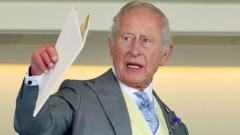
King Charles III paid £12.9 million in tax for the 2024-2025 fiscal year, derived from his income from the Duchy of Lancaster estate, which is voluntarily subject to income tax. This payment underscores the unique financial structure of the British monarchy, balancing public funding through the tax-exempt Sovereign Grant with income from private estates.
King Charles III paid £12.9 million in tax for the 2024-2025 fiscal year, revealing the financial intricacies of the British monarchy's interaction with public funds. The sovereign's income is primarily derived from the Sovereign Grant, a payment from the Treasury that covers official expenses, and income from the Duchy of Lancaster estate.
The Duchy of Lancaster, a private estate held in trust for the monarch, generated substantial income. While profits from the Duchy are voluntarily subjected to income tax, the Sovereign Grant itself is tax-exempt. This dual structure creates a unique financial scenario where a portion of the monarch's income, indirectly linked to public expenditure, is taxed, while direct public funding for official duties is not.
From an economic perspective, the tax payment highlights the ongoing debate surrounding royal funding and its impact on public finances. The Sovereign Grant, funded by taxpayers, is reviewed periodically by the government. The transparency of these arrangements, including the voluntary tax payments on Duchy income, aims to manage public perception and accountability regarding the cost of the monarchy.
The King's tax situation also underscores the broader economic implications of large landed estates. The Duchy of Lancaster, a significant property portfolio, contributes to regional economies through its agricultural, commercial, and residential holdings. Its management and profitability are factors in the overall economic landscape, albeit on a micro-scale relative to national GDP.
While the £12.9 million tax payment is a considerable sum, its direct impact on the national budget is marginal. Its significance lies more in its symbolic value and its role in demonstrating the monarchy's adherence, albeit voluntarily, to the tax system that applies to other high-income individuals in the UK.
Analyst's Take
The transparency surrounding the King's voluntary tax payments, while seemingly a gesture of accountability, also functions as a pre-emptive measure against potential calls for more significant structural changes to royal funding. This proactive disclosure likely aims to anchor public debate on the monarchy's cost within the current framework, rather than prompting deeper scrutiny into the Sovereign Grant's tax-exempt status or the ownership structure of the Crown Estate, which generates far greater revenue for the Treasury.

