MarketsMarketWatchJun 25, 2026· 1 min read
Iraq's OPEC Threat Signals Deeper Fissures in Global Oil Production
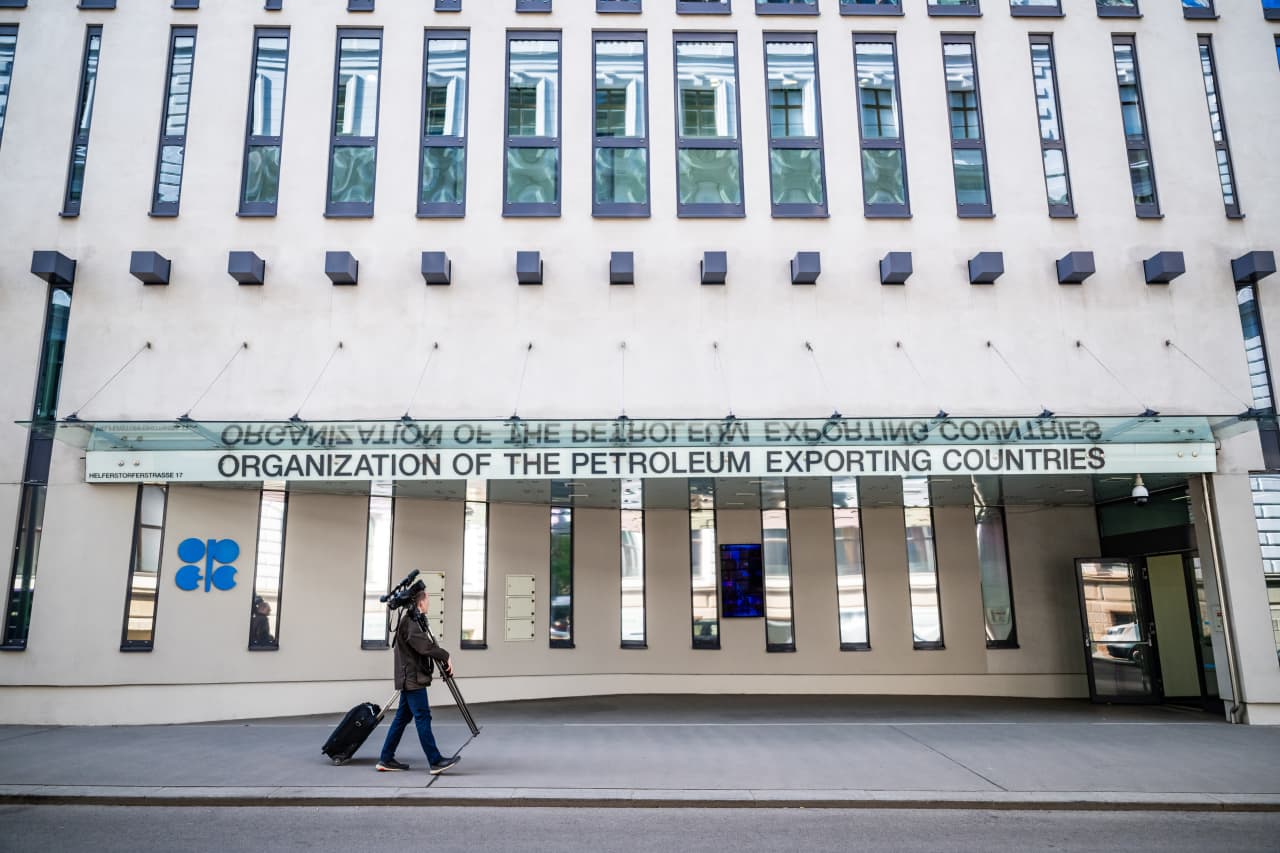
Iraq has threatened to leave OPEC if its demand for a significant production quota increase is not met. This ultimatum highlights internal disagreements within the cartel, potentially undermining its global influence and introducing greater volatility into oil markets.
Iraq has reportedly issued a firm ultimatum to OPEC, demanding a significant increase in its oil production quota or it will consider withdrawing from the cartel. This development underscores growing internal tensions within the Organization of the Petroleum Exporting Countries (OPEC) and could have substantial implications for global oil markets.
Iraq, currently OPEC's second-largest producer, has historically sought higher production volumes to fund post-conflict reconstruction and economic development. Its existing quota, along with those of other members, is subject to periodic reviews and adjustments by the cartel, aiming to stabilize global oil prices through coordinated supply management. A unilateral increase by Iraq, or its departure from the group, would undermine OPEC's ability to influence supply, potentially leading to increased market volatility.
Historically, OPEC's power has waned when member states prioritize individual economic needs over collective production discipline. Previous instances of members exceeding quotas or exiting the cartel have demonstrated the challenges in maintaining cohesion. Iraq's potential departure could trigger a domino effect, encouraging other members facing similar economic pressures to reconsider their commitments, further eroding OPEC's market control.
The economic implications are multifaceted. A surge in Iraqi oil production, independent of OPEC's decisions, could lead to increased global supply, potentially driving down crude oil prices. While beneficial for consuming nations through lower energy costs, it would strain the revenues of other oil-dependent economies. Conversely, if Iraq's demands are met within OPEC, it could necessitate quota adjustments for other members, leading to complex negotiations and potential disputes. The long-term stability of oil prices, a critical factor for global inflation and economic growth, hinges significantly on how this internal OPEC challenge is resolved.
Analyst's Take
The market may be underestimating the geopolitical ripple effects of Iraq's stance, particularly regarding Saudi Arabia's long-term strategy. This move by Iraq could be a precursor to a more permanent shift in regional oil alliances, potentially aligning with non-OPEC producers or even challenging Saudi Arabia's de facto leadership, which would have implications for petrodollar stability and regional capital flows that extend beyond just crude price movements.


