MarketsMarketWatchApr 30, 2026· 1 min read
Hertz Shares Surge on Robotaxi Partnership with Uber
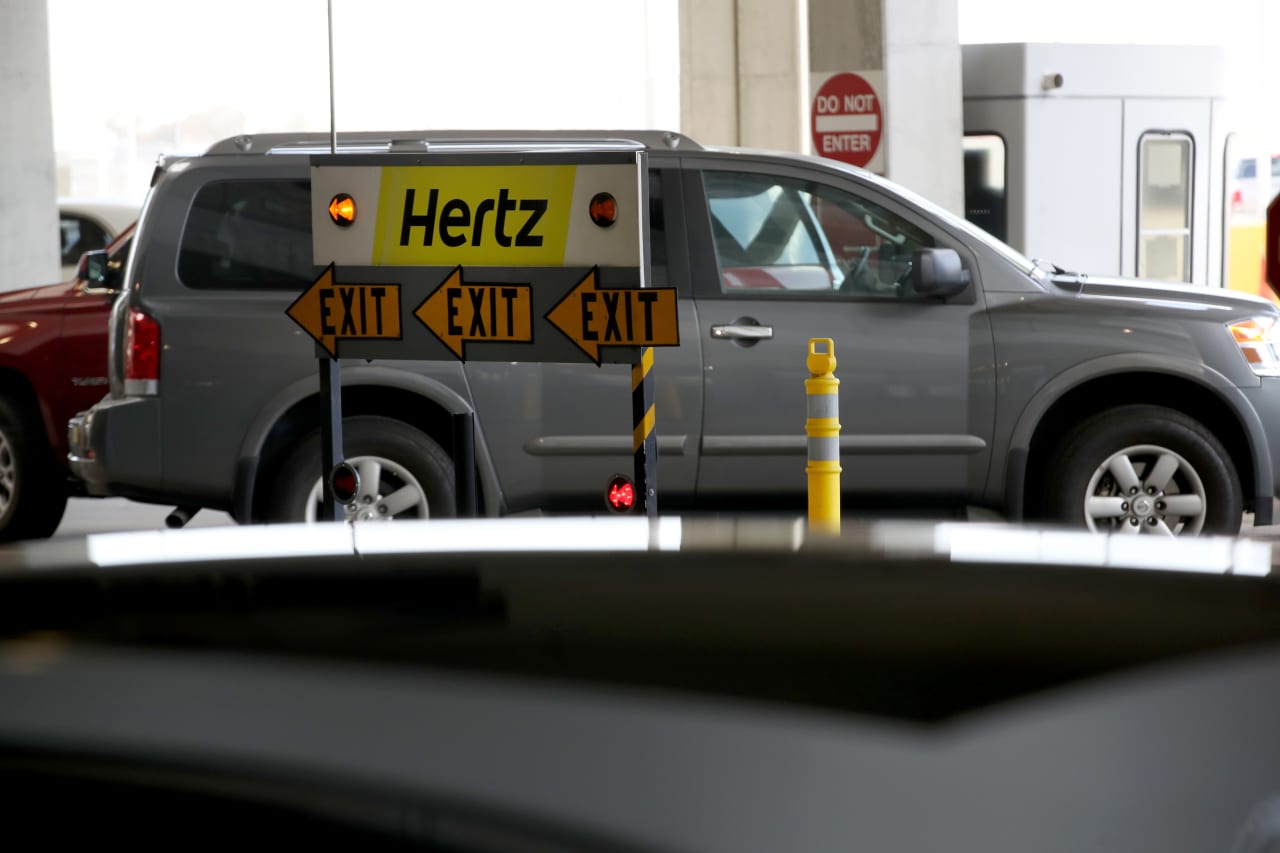
Hertz shares surged 20% after announcing a partnership with Uber to support its robotaxi services in California. This collaboration provides Hertz with a new revenue stream in the autonomous vehicle sector and aids Uber in scaling its self-driving ambitions.
Hertz Global Holdings Inc. saw its shares jump approximately 20% following the announcement of a new partnership with Uber Technologies Inc. The agreement centers on Hertz providing vehicle support for Uber's forthcoming robotaxi services in California. This collaboration positions Hertz as a key operational partner in the expansion of autonomous ride-hailing solutions.
While specific financial terms of the multi-year deal were not disclosed, the market reaction suggests significant investor optimism regarding Hertz's strategic pivot into the burgeoning autonomous vehicle sector. For Hertz, this represents a potential revenue stream beyond traditional car rentals, diversifying its business model and leveraging its extensive fleet management capabilities in a new high-growth area. The partnership could also offer operational efficiencies for Hertz by utilizing its vehicles in a higher-margin service capacity.
From Uber's perspective, securing Hertz's logistical and fleet support is crucial for scaling its robotaxi ambitions. As autonomous vehicle deployment requires substantial vehicle acquisition, maintenance, and operational infrastructure, outsourcing these elements to an established provider like Hertz can accelerate market entry and reduce capital expenditure. The move into California, a pivotal market for ride-hailing and technology adoption, underscores the strategic significance of this initiative for both companies.
This development comes as the broader mobility sector continues to evolve, with traditional rental companies exploring new avenues for growth amid changing consumer preferences and technological advancements. The partnership highlights a trend of traditional automotive and mobility players integrating with technology firms to capitalize on emerging transportation solutions.
Analyst's Take
While the immediate market reaction focuses on Hertz's revenue diversification, the more significant, understated implication is the further commoditization of the 'vehicle-as-a-service' layer in autonomous fleets. This signals that capital deployment for autonomous vehicle programs will increasingly shift from vehicle ownership to operational partnerships, potentially compressing margins for OEM fleet sales in the long run. The timing suggests a gradual market acceptance of autonomous commercialization, with broader profitability still contingent on regulatory clarity and public adoption, likely materializing over the next 3-5 years.


