MacroBBC BusinessJun 17, 2026· 1 min read
Bank of England Poised to Maintain Interest Rates Amid Geopolitical Unrest
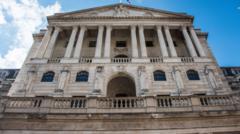
The Bank of England is expected to maintain its benchmark interest rate, primarily influenced by ongoing geopolitical instability in the Middle East. This pause follows a December rate cut and reflects concerns over potential renewed inflationary pressures from external shocks.
The Bank of England is widely anticipated to hold its benchmark interest rate steady at its upcoming Monetary Policy Committee (MPC) meeting. This decision follows a period of heightened economic uncertainty, primarily driven by escalating geopolitical tensions in the Middle East. While the Bank's previous policy move involved a rate cut in December, the current global environment has introduced new inflationary pressures and risks to economic stability, effectively pausing further easing.
Analysts and market participants had previously forecast a more aggressive trajectory for rate reductions, reflecting a softening domestic inflation outlook and concerns over potential economic slowdowns. However, the conflict in the Middle East has injected renewed volatility into commodity markets, particularly oil, and disrupted global supply chains. These developments pose an upward risk to inflation, complicating the MPC's mandate to maintain price stability while supporting sustainable growth.
The Bank's cautious stance reflects a pragmatic response to these external shocks. While domestic economic indicators, such as a gradually cooling labor market and moderating core inflation, might otherwise suggest room for further rate cuts, the external environment takes precedence. Maintaining rates at their current level provides the Bank with flexibility to assess the evolving geopolitical landscape and its precise impact on the UK economy before committing to future policy adjustments. This holding pattern underscores a global trend among central banks to prioritize stability in the face of persistent external risks.
Analyst's Take
While the immediate focus is on geopolitical inflation, the market may be underpricing the Bank's longer-term commitment to a higher 'neutral' rate. This prolonged holding pattern, even as domestic data softens, suggests the MPC is keenly observing labor market stickiness for second-round effects, implying that even once geopolitical risks subside, significant rate cuts may be slower and less aggressive than currently anticipated by bond markets.

