MarketsMarketWatchJul 9, 2026· 1 min read
The Enduring Anomaly of Paper Checks in a Digital Economy
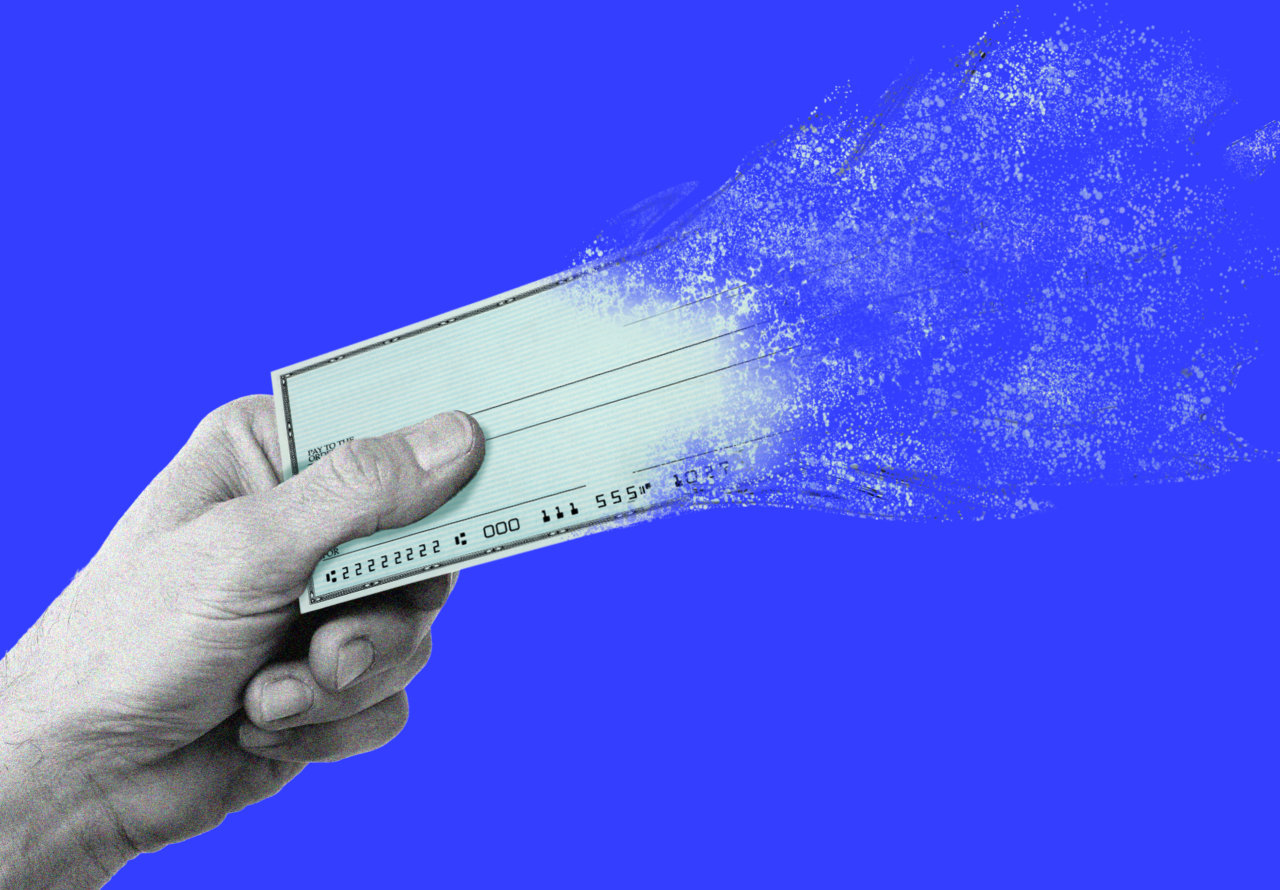
Paper checks persist in the U.S. economy despite digital payment dominance, driven by legacy business practices and specific B2B/government transactions. Their continued use introduces economic inefficiencies through higher processing costs and slower money velocity compared to digital alternatives.
Despite rapid advancements in digital payment systems, the paper check continues to persist in certain segments of the U.S. economy, posing an interesting anomaly for economic analysts. While consumer reliance on checks has significantly declined, with most modern retail environments eschewing them, their complete eradication remains elusive. This persistence is not a matter of widespread consumer preference, but rather embedded practices within specific sectors.
For businesses, particularly smaller enterprises or those with legacy accounting systems, checks offer a familiar, albeit slower, method for vendor payments, payroll, and occasional customer transactions. The costs associated with fully transitioning to digital-only payment infrastructure, including software upgrades, training, and potential transaction fees, can be a deterrent. Furthermore, certain B2B transactions and government disbursements still utilize checks due to established protocols or a lack of universally adopted digital alternatives that cater to all stakeholders.
From a macroeconomic perspective, the continued existence of paper checks introduces inefficiencies. Processing checks involves manual labor, transportation, and clearing times, all of which add operational costs and introduce delays compared to instant digital transfers. This friction can impact cash flow management for businesses and individuals, subtly slowing down the velocity of money in certain economic pockets. While the overall volume of check transactions represents a shrinking portion of total payment flows, its persistence highlights the significant inertia in modernizing payment infrastructure across all economic actors. The eventual demise of the paper check will likely be driven by a combination of technological obsolescence, increasing operational costs for banks, and evolving regulatory pressures promoting digital alternatives, rather than a sudden shift in consumer behavior.
Analyst's Take
The slow demise of paper checks reveals underlying rigidities in business process automation and banking infrastructure. While not a headline-grabbing issue, the capital expenditure required to fully digitize all payment flows across all economic segments is underestimated, creating a drag on potential productivity gains that few acknowledge or quantify.


