MacroBBC BusinessAug 7, 2026· 1 min read
US Government Pays RWE $1.2 Billion to Halt Offshore Wind Development
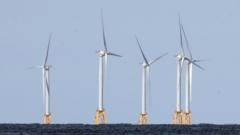
The U.S. government will pay German firm RWE $1.2 billion to cancel an offshore wind lease, marking another significant halt in U.S. renewable energy development. This deal highlights economic challenges and shifting political priorities impacting the viability of large-scale offshore wind projects.
The U.S. government has finalized a $1.2 billion agreement with German energy giant RWE to terminate its lease for a major offshore wind development project. This compensation package comes as part of a broader trend of cancellations within the U.S. offshore wind sector, raising questions about the economic viability and political commitment to renewable energy initiatives in certain regions.
The specific details of the agreement involve RWE relinquishing its rights to the lease area, which was designated for significant wind energy generation off the U.S. coast. While the stated reasons for such cancellations often include rising development costs, supply chain bottlenecks, and permitting challenges, the political landscape also plays a role, with some policymakers expressing skepticism about the cost-effectiveness and environmental impact of large-scale offshore wind farms.
From an economic perspective, this deal represents a direct fiscal expenditure by the U.S. government that deviates from traditional infrastructure investment. It reflects a shift in resource allocation, potentially re-prioritizing other energy sources or development initiatives. For RWE, the payout provides a substantial capital injection, offering financial flexibility but also signaling a retreat from a previously committed investment in the U.S. renewable energy market.
The broader implications for the energy sector include potential cooling of investor interest in new offshore wind projects in the U.S., particularly if government policy signals uncertainty or a willingness to unwind existing commitments. This could impact job creation in the green energy sector and hinder progress towards renewable energy targets, potentially prolonging reliance on traditional fossil fuels and affecting long-term energy security strategies. The economic ripple effects extend to supply chain companies that had anticipated contracts for turbine manufacturing, installation, and maintenance, now facing reduced demand in the U.S. market.
Analyst's Take
This payout could signal increasing regulatory and political risk for large-scale infrastructure projects, especially in the energy sector, potentially driving up the cost of capital for future ventures. While it provides RWE with immediate liquidity, the long-term effect is a chilling signal to foreign direct investment in U.S. renewable energy, possibly diverting capital towards more stable regulatory environments, thus hindering the U.S.'s green energy transition goals.

