MacroBBC BusinessJun 24, 2026· 1 min read
Tesla Faces Wrongful Death Suit After Fatal House Collision in Texas
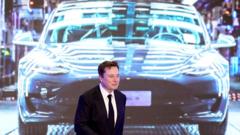
A Texas family is suing Tesla for wrongful death after a Tesla vehicle crashed into their home, killing a woman in her 70s. The lawsuit could prompt further scrutiny of Tesla's vehicle safety features and advanced driver-assistance systems, potentially impacting brand reputation and regulatory oversight.
A wrongful death lawsuit has been filed against Tesla by a Texas family following a fatal incident where a Tesla vehicle crashed into their home, killing a woman in her 70s. The specifics of the crash, including whether Autopilot or any other assisted driving system was engaged, have not been publicly disclosed. This legal action could potentially raise questions about vehicle safety features, manufacturer liability, and the broader regulatory environment for advanced driver-assistance systems.
The economic implications of such lawsuits for automotive manufacturers like Tesla can be multifaceted. Beyond direct financial compensation, these cases can impact brand reputation, potentially influencing sales and market share. Shareholder confidence may also be tested, particularly if similar incidents or broader safety concerns emerge. Historically, legal challenges related to product safety have led to increased scrutiny from regulatory bodies, potentially resulting in recalls or mandates for design modifications, which can incur significant costs for manufacturers.
While this particular lawsuit focuses on a single incident, it contributes to a wider narrative around the safety and reliability of autonomous and semi-autonomous driving technologies. The outcome of such cases can set precedents for future litigation and shape consumer perception, influencing the pace of adoption for these emerging technologies. For Tesla, navigating these legal challenges while continuing to innovate in self-driving technology remains a critical balancing act for its long-term financial health and market positioning.
Analyst's Take
While this individual lawsuit appears localized, it contributes to a growing body of legal and regulatory pressure that could eventually necessitate significant recalibration of Tesla's liability shield, especially concerning its Autopilot and FSD claims. The market may be underestimating the cumulative effect of these cases on future R&D costs and potential long-term insurance premium increases for Tesla vehicles, which could ultimately erode profit margins and slow wider adoption of self-driving features.

