MacroBBC BusinessApr 27, 2026· 1 min read
US-Iran Talks Stall, Oil Prices React to Renewed Geopolitical Risk
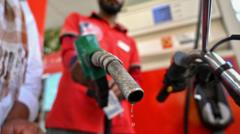
Oil prices rose after President Trump announced the cancellation of US-Iran peace talks, signaling continued diplomatic gridlock. This development reintroduces a geopolitical risk premium into the energy market, stemming from potential supply disruptions in the Middle East.
Oil prices experienced an uptick following President Trump's announcement on Saturday that the United States had cancelled plans to dispatch a delegation to Pakistan for negotiations concerning Iran. The cancellation signals a continued impasse in diplomatic efforts between Washington and Tehran, raising concerns about escalating tensions in a critical oil-producing region.
The geopolitical risk premium, which has been a recurring factor in global energy markets, appears to be reasserting itself. When diplomatic avenues narrow, market participants often price in a higher probability of supply disruptions or increased shipping costs in the Middle East, directly impacting crude oil benchmarks like Brent and WTI.
The halted talks underscore the persistent uncertainty surrounding the future of the Iranian nuclear deal and the broader geopolitical landscape in the Persian Gulf. Economic sanctions against Iran, which have significantly curtailed its oil exports, remain a contentious issue. Any further deterioration in relations could lead to heightened volatility in the crude oil market, affecting import-dependent economies and inflation outlooks globally. While the immediate price reaction was moderate, the underlying sentiment suggests that a significant geopolitical risk factor remains embedded in oil price formation.
Analyst's Take
While the immediate oil price reaction was contained, the stalled talks prolong uncertainty, encouraging oil producers to maintain a cautious supply stance. This sustained geopolitical friction could underpin a higher 'floor' for crude prices than justified by demand fundamentals alone, potentially contributing to sticky inflation expectations well into Q3 among energy-intensive industries.

