EnergyOilPrice.comJun 13, 2026· 1 min read
Jamaica Eyes Offshore Oil Amidst Climate Vulnerability and Import Costs
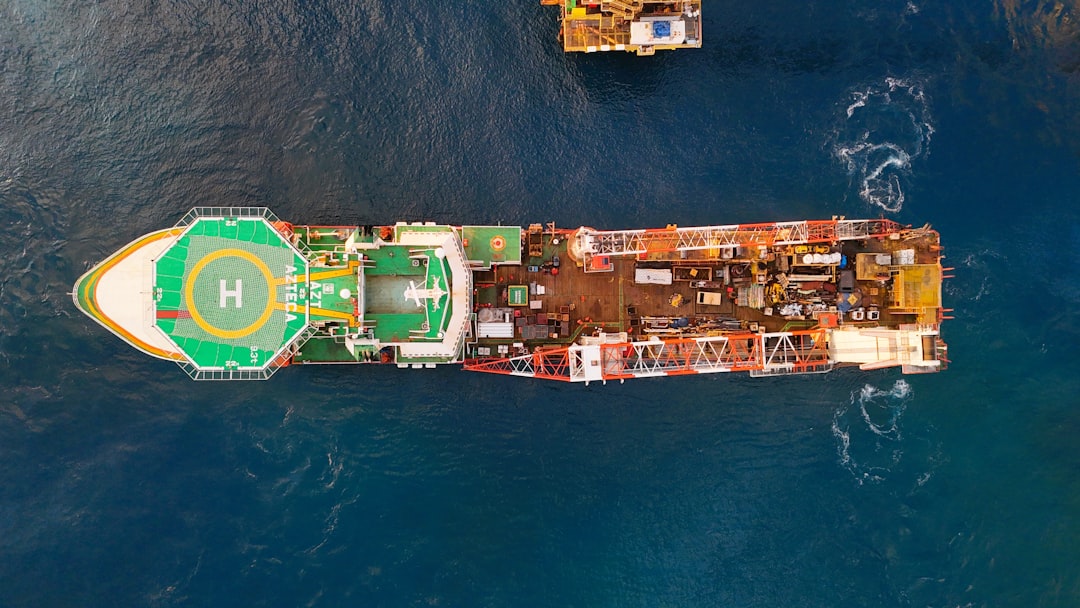
Jamaica is considering offshore oil exploration to reduce its $1.5-$2 billion annual fuel import bill, despite its climate vulnerability and global calls to cease new fossil fuel development. This initiative could provide energy independence but poses long-term economic and environmental risks.
Jamaica is exploring offshore oil drilling, potentially following the path of Caribbean neighbors like Guyana and Suriname, which have seen a boom in recent years. This move comes despite Jamaica's high vulnerability to climate change and the International Energy Agency's (IEA) call for an end to new fossil fuel exploration.
The economic impetus for Jamaica is significant. The island nation currently imports 100% of its fuel, incurring an annual energy import bill estimated between $1.5 billion and $2 billion. Successful domestic oil discoveries could substantially reduce this outflow, bolstering national energy security and potentially freeing up significant capital for other economic development initiatives.
However, the strategy presents a paradox. While a domestic oil industry could offer a crucial economic lifeline by cutting import expenditures and potentially generating export revenue, it also aligns Jamaica with fossil fuel production at a time when global sentiment and policy are shifting towards renewable energy sources. This creates a long-term economic risk, as future carbon taxes or diminished demand for fossil fuels could devalue new oil assets. The immediate economic benefits of energy independence and reduced import costs must be weighed against the long-term environmental commitments and the evolving global energy landscape.
Analyst's Take
While initial market focus will be on the potential for reduced import costs and enhanced energy security, the true long-term economic implication lies in the cost of capital. International lenders and investors are increasingly scrutinizing projects based on ESG criteria; Jamaica's pursuit of new fossil fuel assets could elevate its sovereign borrowing costs or limit access to green financing, particularly as global carbon pricing mechanisms gain traction. This friction between immediate fiscal relief and future financial market access for sustainable development projects is a critical, overlooked aspect.