EnergyOilPrice.comMay 14, 2026· 1 min read
China's Nuclear Capacity Surges, Aiming for Global Dominance
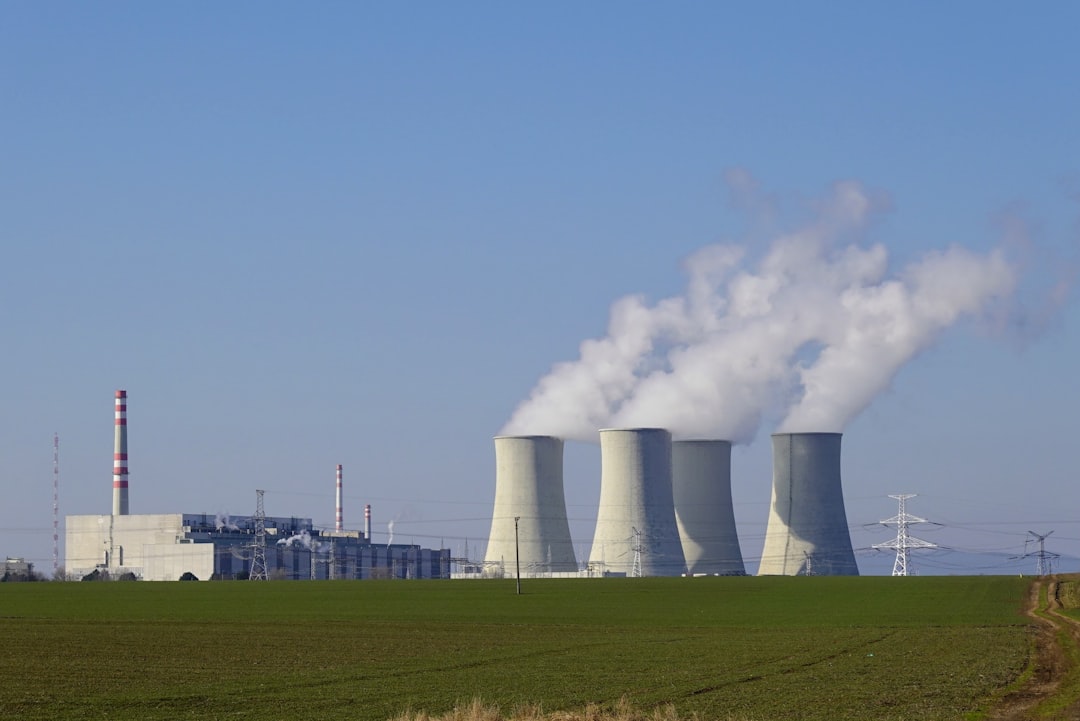
China has added 34 GW of nuclear power capacity in the last decade, becoming the fastest-growing nuclear fleet globally. Its 15th Five-Year Plan targets continued domestic expansion and increased presence in international nuclear energy markets, particularly in emerging economies.
China has significantly expanded its nuclear power generation capabilities over the past decade, adding 34 gigawatts (GW) of capacity. This aggressive build-out positions China as the fastest-growing nuclear fleet globally, challenging the United States' long-held position as the largest producer.
Beijing's strategic focus on nuclear energy is formalized in its 15th Five-Year Plan (15FYP), unveiled in March. This plan outlines a dual approach: a continued rapid expansion of domestic nuclear infrastructure and an intensified push to secure a larger footprint in international nuclear energy markets. Emerging economies are identified as a particular target for Chinese nuclear technology exports and project development.
This domestic expansion is driven by a combination of factors, including increasing energy demand, a desire to reduce reliance on fossil fuels for environmental reasons, and the pursuit of energy security. By boosting its nuclear capacity, China aims to diversify its energy mix and enhance its long-term power stability. The international strategy, meanwhile, reflects China's broader Belt and Road Initiative, extending its economic and technological influence globally.
The competition for nuclear energy dominance has economic ramifications, influencing global energy markets, technological leadership, and geopolitical alliances. China's concerted effort to export its nuclear technology and build power plants abroad could provide significant economic benefits through contracts, technology transfer, and long-term energy partnerships with developing nations. This expansion also underscores a shift in global energy infrastructure development away from traditional Western suppliers.
Analyst's Take
China's aggressive nuclear build-out and export strategy will likely put downward pressure on the global cost of nuclear energy projects, benefiting developing nations but increasing competition for established Western suppliers. This drive for energy technology exports also functions as a long-term strategic play, creating energy dependence and geopolitical influence for Beijing in key emerging markets, a second-order effect that isn't immediately priced into commodity markets but will manifest in long-term trade and diplomatic relations.