EnergyOilPrice.comJun 8, 2026· 1 min read
China Leads Global Low-Carbon Investment Amid Slowing US Momentum
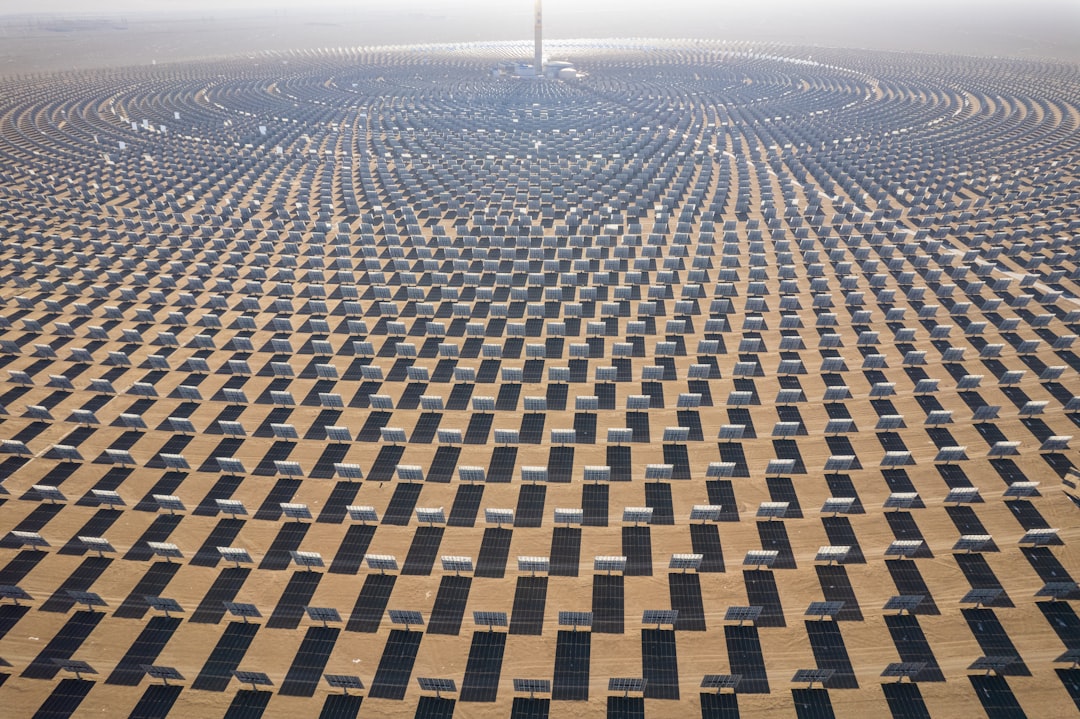
China is dominating global low-carbon industrial investment, attracting the majority of $43 billion in funding over the past six months for 13 out of 19 projects. This surge highlights China's rapid push into green industrialization, contrasting with a reported slowdown in U.S. low-carbon investment momentum.
China has emerged as the dominant force in global low-carbon industrial investment, securing the majority of the $43 billion allocated to such projects over the past six months. A recent report by the Mission Possible Partnership, an energy transition advocacy group, highlights that 13 out of 19 industrial low-carbon projects receiving funding during this period were located in China. This marks a significant acceleration from the previous year, when only eight projects globally secured funding.
The substantial capital injection into China's low-carbon sector underscores its aggressive pursuit of industrial decarbonization and renewable energy leadership. This trend signals a strategic shift in global investment flows, with a pronounced tilt towards the Asian economic powerhouse for green industrial initiatives. The total funding figure represents a notable increase year-over-year, indicating a growing global commitment to low-carbon transition, albeit with a concentrated geographical footprint.
Conversely, the report implicitly points to a deceleration in the United States' momentum in attracting significant low-carbon industrial project funding. While the U.S. has announced ambitious climate targets and incentives, the data suggests a lagging execution in securing large-scale industrial investments compared to China. This divergence could have long-term implications for the competitive landscape of green technologies and industrial capabilities, potentially influencing supply chains and future economic competitiveness in key sectors.
Analyst's Take
The market may be underestimating the long-term impact of China's concentrated low-carbon industrial investment on global commodity demand and supply chain restructuring, particularly for critical minerals and green industrial components. This investment asymmetry could lead to significant cost advantages for Chinese green industries, influencing global trade balances and potentially creating future geopolitical leverage in emerging clean energy sectors that the market has yet to fully price in.