MarketsMarketWatchJun 1, 2026· 1 min read
YouTube-Fueled Horror Hits Signal Shift in Film Production Economics
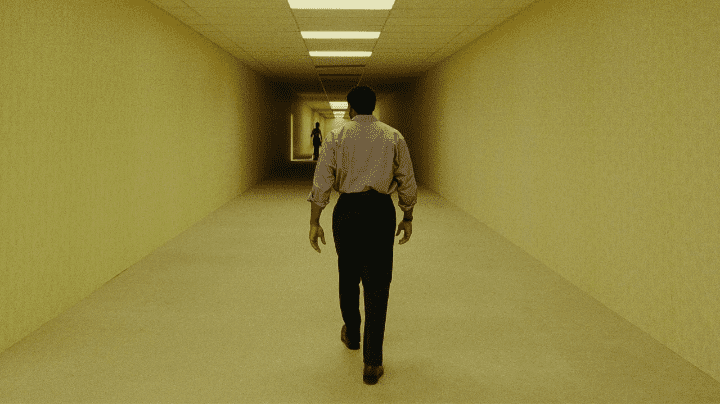
Recent box-office successes of horror films originating from YouTube creators, such as "Backrooms" and "Obsession," are signaling a potential shift in Hollywood's film production and distribution economics. This model leverages pre-existing online audiences and lower production costs, challenging traditional studio dominance and potentially altering investment strategies in the entertainment sector.
The recent box-office success of independent horror films, notably "Backrooms" and "Obsession," which originated from YouTube content creators, is prompting a re-evaluation of traditional film production and distribution models within Hollywood. This trend highlights a new, cost-effective pipeline for film development, leveraging established online audiences and creator-led content.
Historically, major studios have dominated film financing, production, and marketing, often involving substantial upfront investments. The YouTube model, however, demonstrates the viability of building a dedicated viewership and refining creative concepts on a digital platform before transitioning to theatrical release. This approach significantly reduces the initial financial risk for distributors and provides a pre-existing fan base for marketing efforts.
The economic implications extend beyond production costs. The lower overhead associated with independent, YouTube-backed productions could lead to higher profit margins, even with more modest box-office returns compared to blockbuster studio films. Furthermore, it challenges the traditional gatekeeping role of studios, potentially democratizing access to film distribution for a wider array of creators. This shift could foster increased competition in specific genres, compelling established studios to adapt their strategies for identifying and nurturing new talent. For investors, this represents a new avenue for assessing content value and audience engagement, potentially favoring companies that can identify and scale successful digital-native intellectual property into broader entertainment formats.
Analyst's Take
This trend points to a future where entertainment IP valuation increasingly incorporates pre-market digital engagement and audience 'pull' rather than solely relying on studio 'push.' While currently concentrated in horror, the success here likely presages broader genre adoption, potentially driving a re-evaluation of content acquisition strategies by streaming services within the next 12-18 months, as they seek cost-effective, proven content pipelines to fuel subscriber growth.


